Architecture | The art of minimalism: how to achieve more with less
The art of minimalism: how to achieve more with less
Minimalism does not just mean reducing possessions or creating empty spaces.
In today’s fast-moving world, with new trends and technologies constantly raining down on us, many people long for a return to simplicity and clarity. Minimalism, a movement that began as early as the 1920s with the rise of the Bauhaus, is experiencing a renaissance. But what exactly is minimalism, and how can it be applied to the world of interior design?
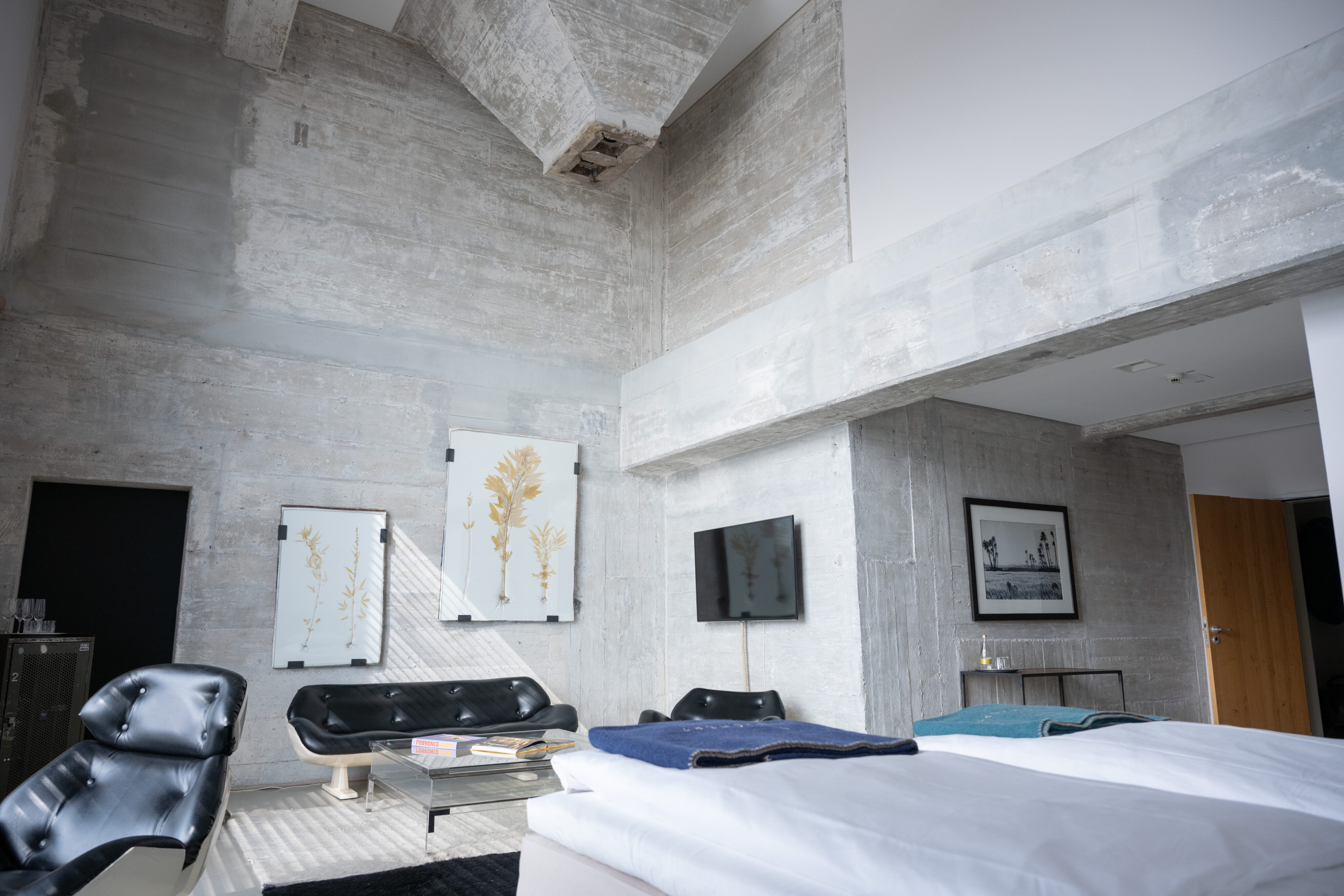
Minimalism does not just mean reducing possessions or creating empty spaces. Rather, it is a philosophy that aims to emphasise the essential and eliminate the superfluous. Inspired by the Bauhaus, a school of art, design and architecture founded in Germany at the end of the 1910s, minimalism has shaped modern interior design.
The Bauhaus was known for its clean lines, geometric forms and the rejection of superfluous ornament. It strove for functionality and simplicity in all its design principles. These ideas were later adopted by architects and designers worldwide and influenced the development of modern minimalism.
But how can we put the art of minimalism into practice in our own homes? Here are some practical tips:
- Less is more: Reduce the number of objects in a room to the essentials. Choose pieces of furniture that are multifunctional and offer enough storage space to avoid clutter.
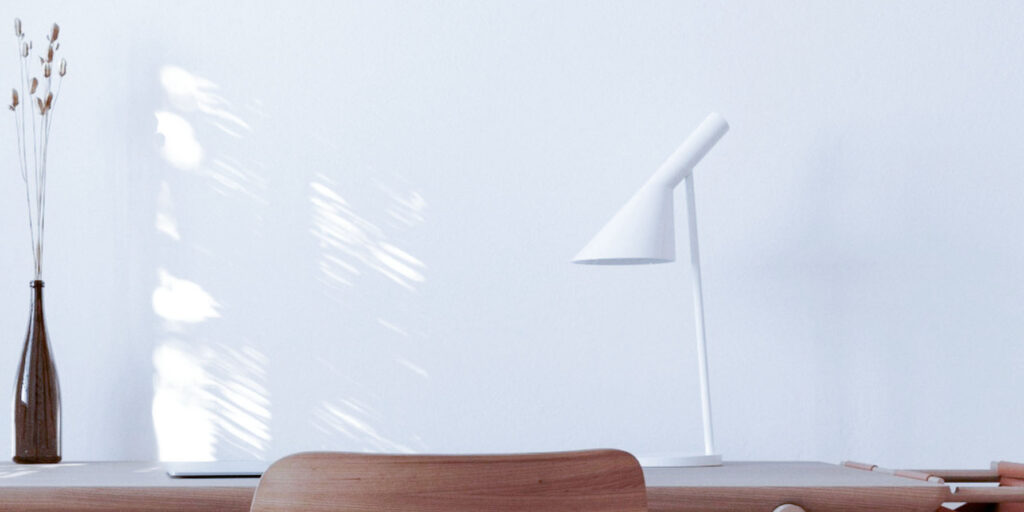
- Clean lines and geometric forms: Opt for furniture and decorations with simple, clean lines and geometric forms. This creates a sense of order and harmony in the room.
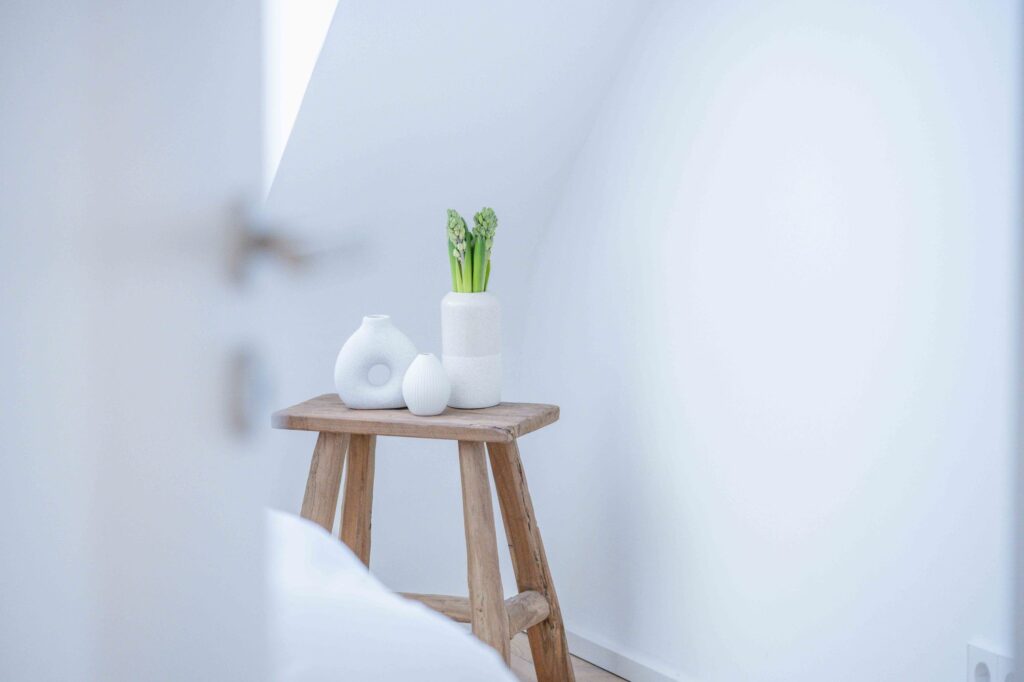
- Neutrality and restraint: Use a neutral colour palette of white, grey, black and natural wood tones. These colours radiate calm and elegance and make the room appear larger and more open.
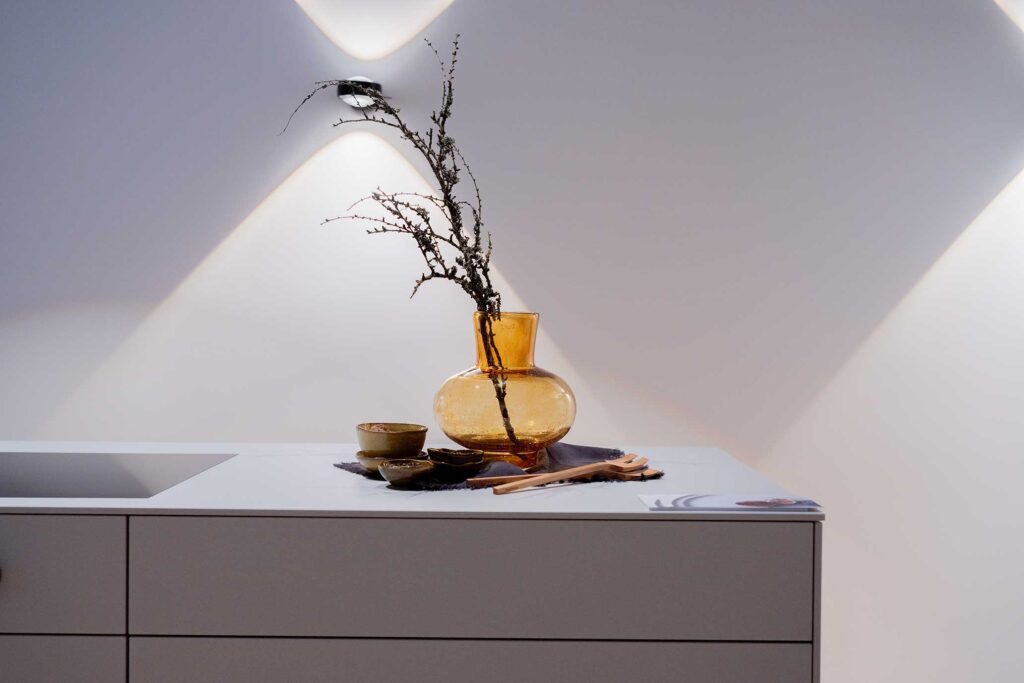
- Light and air: Maximise the incidence of light and the circulation of air in the room by removing heavy curtains and keeping windows clear. Bright, open rooms contribute to a feeling of lightness and spaciousness.
- Quality over quantity: Invest in high-quality furniture and materials instead of accumulating many inexpensive objects. Fewer but better-made pieces give your home a timeless, elegant charm.
- Create room to breathe: Leave enough space between pieces of furniture to create an open, airy atmosphere. This allows the individual elements in the room to come into their own and have their effect.
By drawing inspiration from the principles of minimalism and applying them to our own homes, we can create a sense of calm, clarity and aesthetics. The Bauhaus taught us that less is often more, and this timeless wisdom is still relevant today for the design of modern interiors.




— Owner Hans Jürgen S.
“The presentation of the apartment was excellent, and we were looked after perfectly from start to finish!”
