Art | Falk Kastell
The magic of art
A conversation with Falk Kastell about his career, his inspirations and the future of creativity
Falk, please tell us about your artistic career. How did you come to painting?
I came to painting through my grandmother. She was a painter. She studied in Moscow and worked for many years as a draughtswoman in a large architectural practice. Later in life she moved further into art, which was my first point of contact with classical painting. Every visit to her was magical: it smelled of oil paints, she was always working on a new painting, and I was allowed to paint in oil on canvas too. That was a great sign of trust. At around 14 or 15, I asked her to teach me the technique. She told me I had enough talent to work it out myself. Those words were like wind beneath my wings and motivated me to immerse myself even more deeply in art. Art was also present at school, but was never strongly encouraged, so I always painted after school as an important escape, to get away from thoughts of school. During my communication design studies, which I began in 2014, my engagement with painting deepened decisively.
Was there an experience or an exhibition in the past that you would call your breakthrough? What led you to the decision to concentrate fully on your passion, art?
I remember many moments that strongly influenced me, such as visiting the Kunsthalle with my mother, where I saw Brâncuși’s Fish. This encounter with the sculpture fascinated me even as a child and, during my design studies, motivated me to truly appreciate quality in art. The constant support of my family, who always took art and talent seriously and never rejected them, was also decisive. These experiences and my family’s encouragement led me to devote myself fully to art.
MAGAZINE
“The core of my artistic work is beauty. I focus on preserving beauty and passing it on.”
Falk, what is the core or the essence of your artistic work?
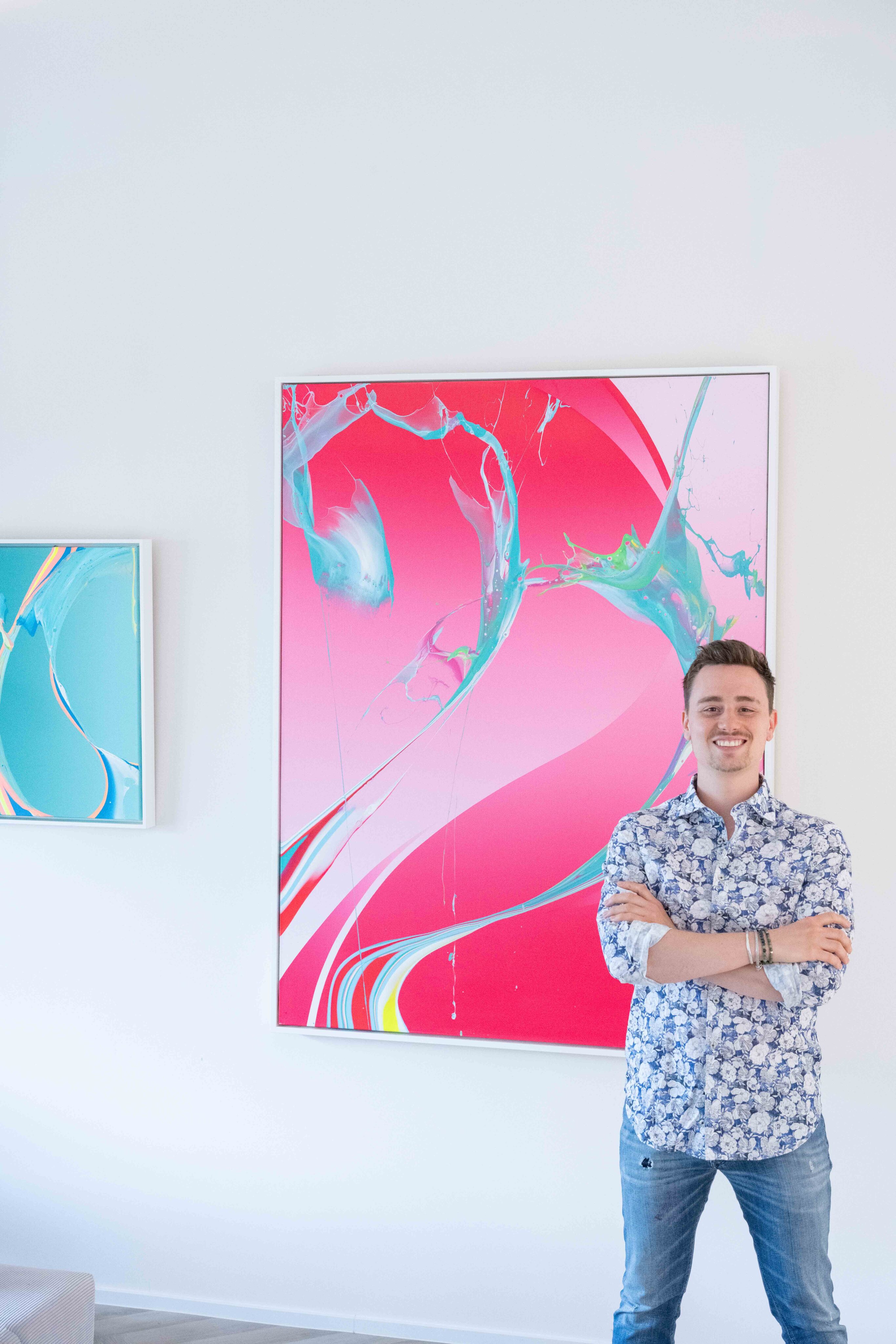
The core of my artistic work is beauty. I focus on preserving beauty and passing it on, because it cannot simply be taken from the environment. For me, it is about conserving beauty through art and passing it on to the next generation. I always have the sense of a calling that my works should still matter in the future. I ask myself whether they will stand the test of time and remain interesting for coming generations, much like the works of antiquity that we still admire today.

Many artists are inspired by their surroundings — can you confirm that, and have you set up your space accordingly?
Yes, definitely. My surroundings are an essential source of inspiration for me. I react strongly to what happens around me, both in my immediate environment and in wider social and cultural contexts. These influences are reflected in my works. In my studio, I keep a balance between commissions, which often follow specific requirements, and free works, which arise spontaneously from my personal impulses. At least half of my works come from an inner need, which allows me to remain authentic and flexible.

“At least half of my works come from an inner need, which allows me to remain authentic and flexible.”
What do you think of the recent development of collaboration in the art world and the way art influences fashion and (product) design?
The art world and the fashion industry need a more humane orientation. There is a lack of originality and individual expression; instead we often see only variations of the same product. I find this development disappointing. For the future, I would like to see a stronger focus on sustainability and humanity. There are some approaches, such as an organic winery in the Palatinate that relies on sustainable production, but in the fashion industry I currently see no brand that matches my idea of a real change of thinking.
How would you describe your home and your interior? What is important to you?
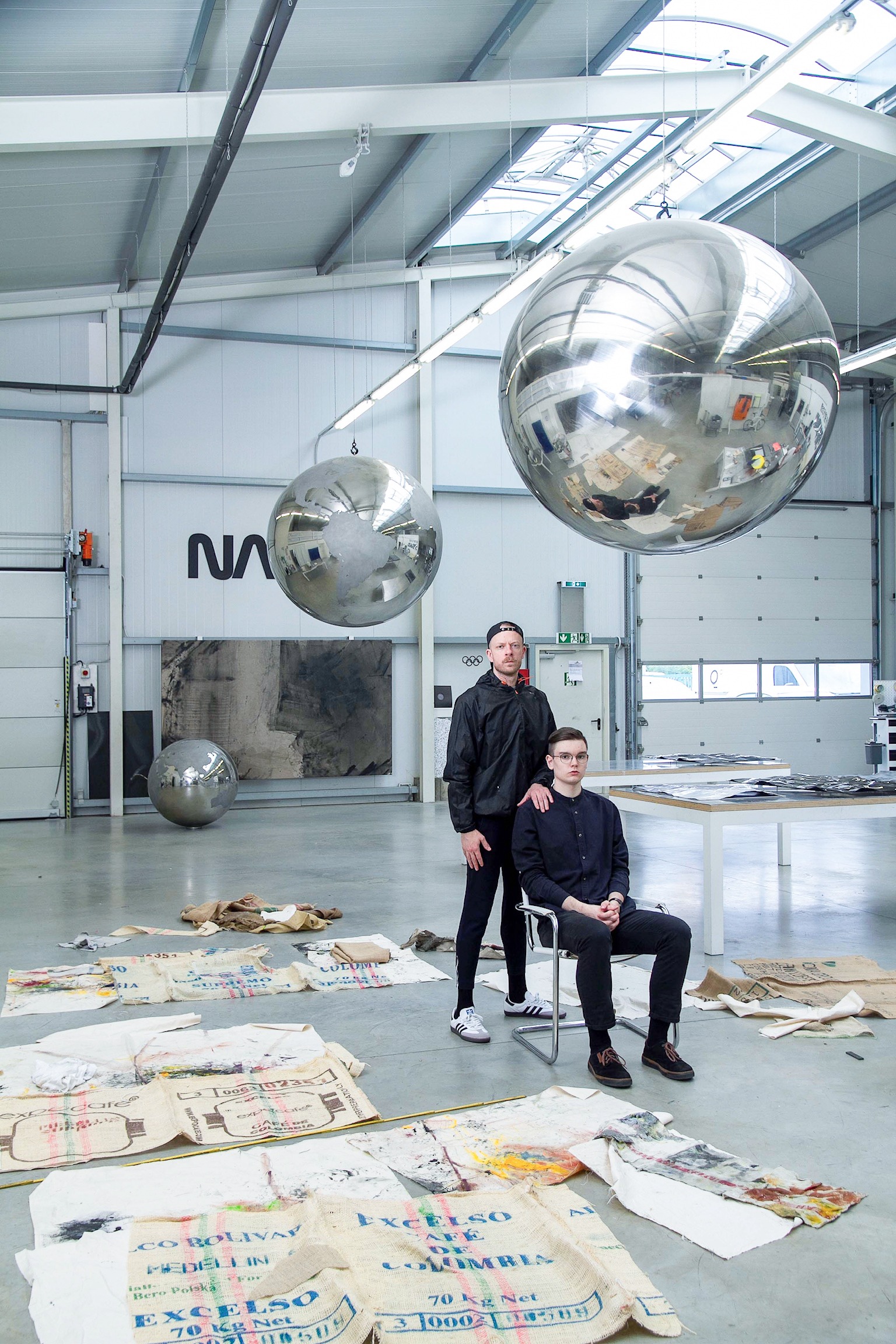
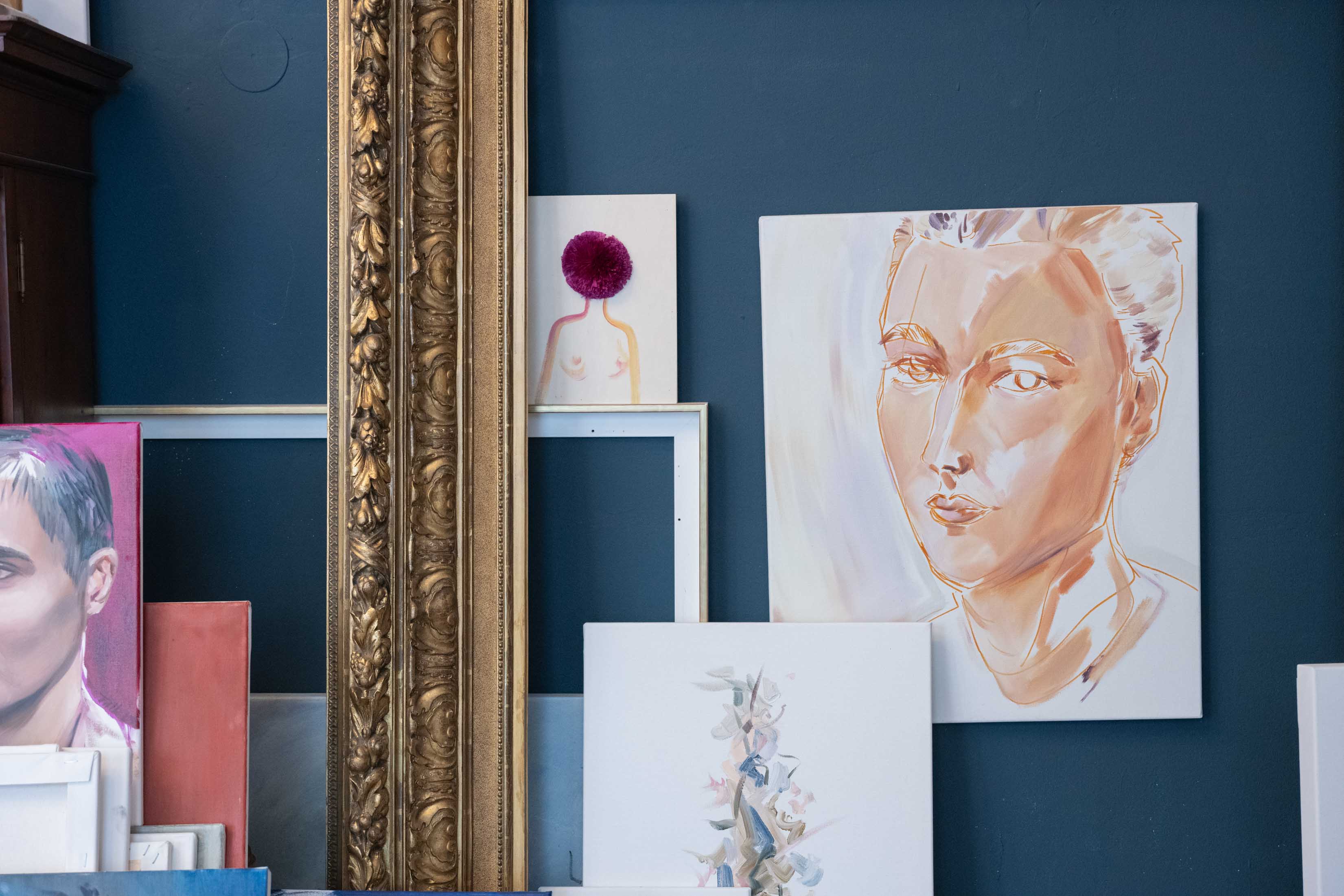
My home is minimalist, with white-painted walls and wooden floors, very tidy and calm, which is a contrast to my studio. Here, in my working environment, there is a sensory explosion – a mix of 500 paintings and antique furniture. My home serves as a haven of calm, while the studio is a place full of energy and creativity that inspires and motivates me.
Are there current or upcoming projects you would like to highlight?
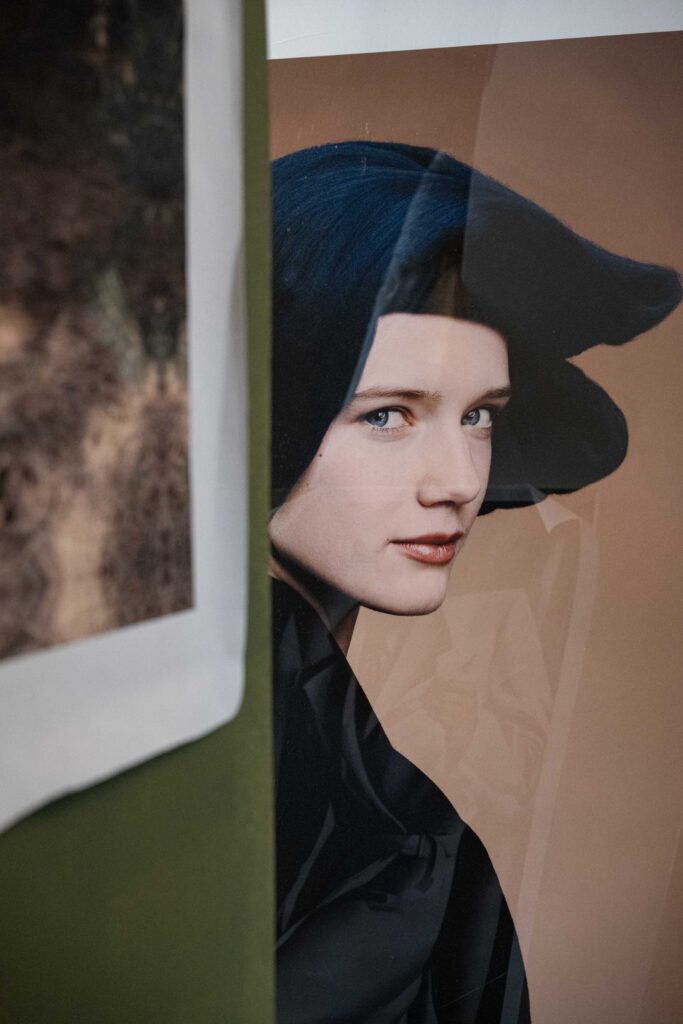
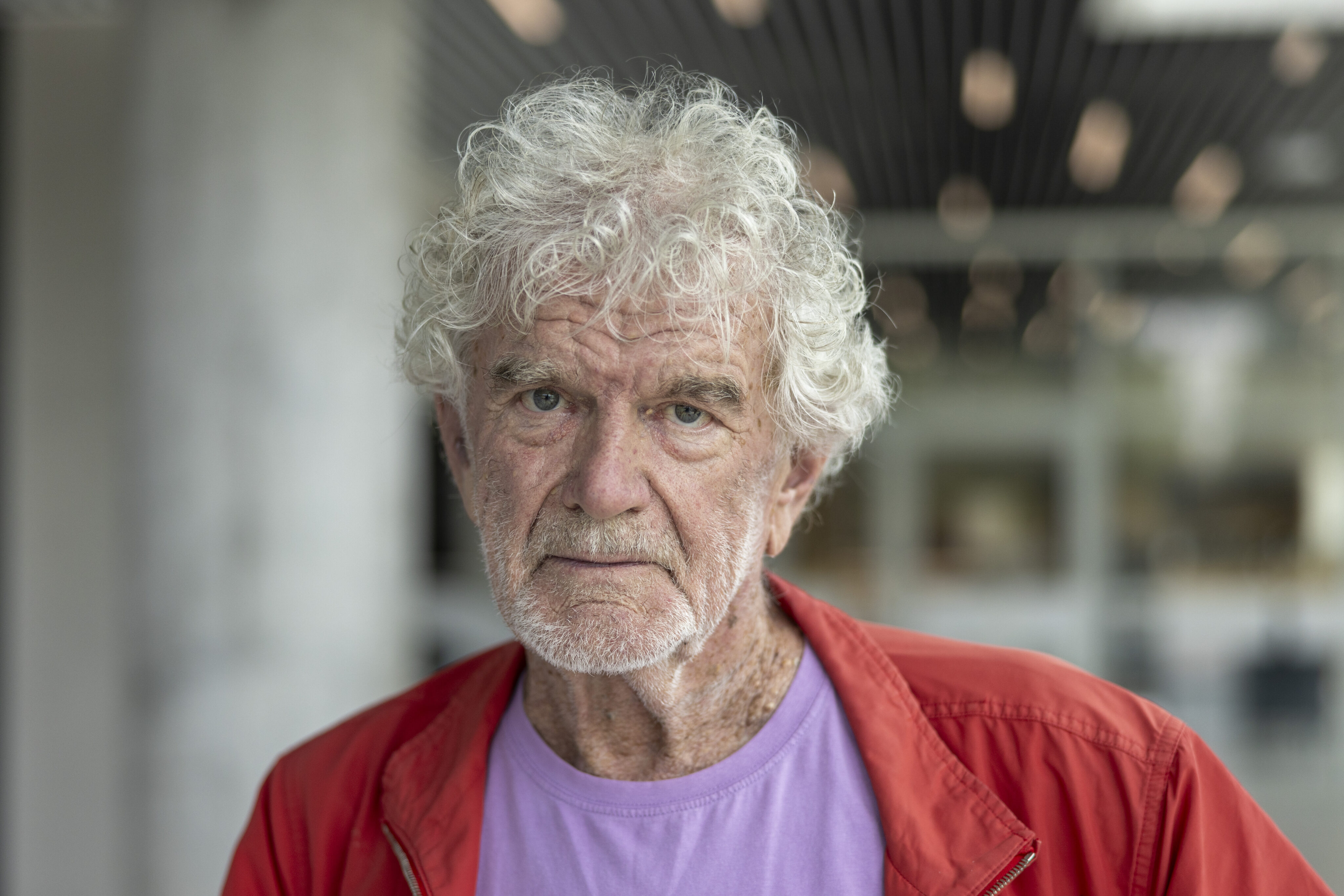
An important project of mine aims to give people with disabilities more visibility. I portray people with physical and mental disabilities in order to make their stories and personalities accessible to a wider audience through my art. This commitment grew out of personal encounters and the conviction that these people are often overlooked in public life and in art history.
Do you have a special relationship with Mannheim, and if so, what defines it?
Mannheim is an undiscovered gem for me. Despite its rough and sometimes dirty sides, I value the city’s cultural density and diversity.
Here I have been able to develop my artistic voice without being influenced by the big international scene.
Here I have the calm to shape my own artistic voice. Mannheim works as my home base, not least because of family ties and friendships and the good transport connections.

Which places should you definitely see when you come to Mannheim and the surrounding area? Is there a place you prefer?
My studio is my favourite place, but Mannheim has many hidden treasures to offer. I particularly recommend the restaurant Opus V with its wonderful view over the city, the jazz club Ella & Louis and the Nationaltheater, where outstanding performances take place regularly. Mannheim offers a lively cultural scene and culinary diversity that make the city very liveable.

Thank you for the conversation, dear Falk.

— Owner Hans Jürgen S.
“The presentation of the apartment was excellent, and we were looked after perfectly from start to finish!”
