Architecture | Frank O. Gehry
Marqués de Riscal Hotel
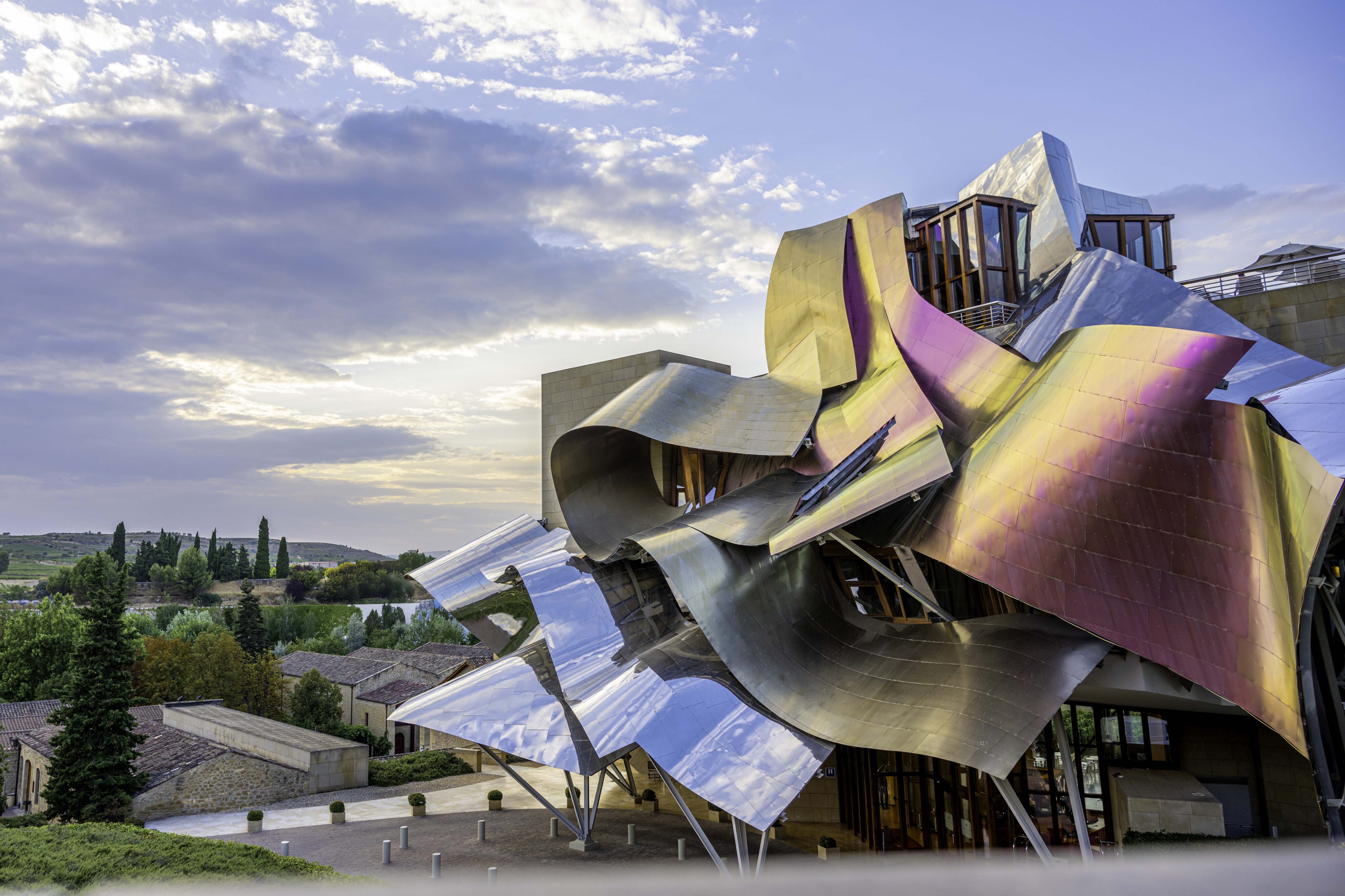
A conversation with Stefan Friedl, director of Hotel Marqués de Riscal, about Frank Gehry’s iconic architecture and the influence of aesthetics on the guest experience.
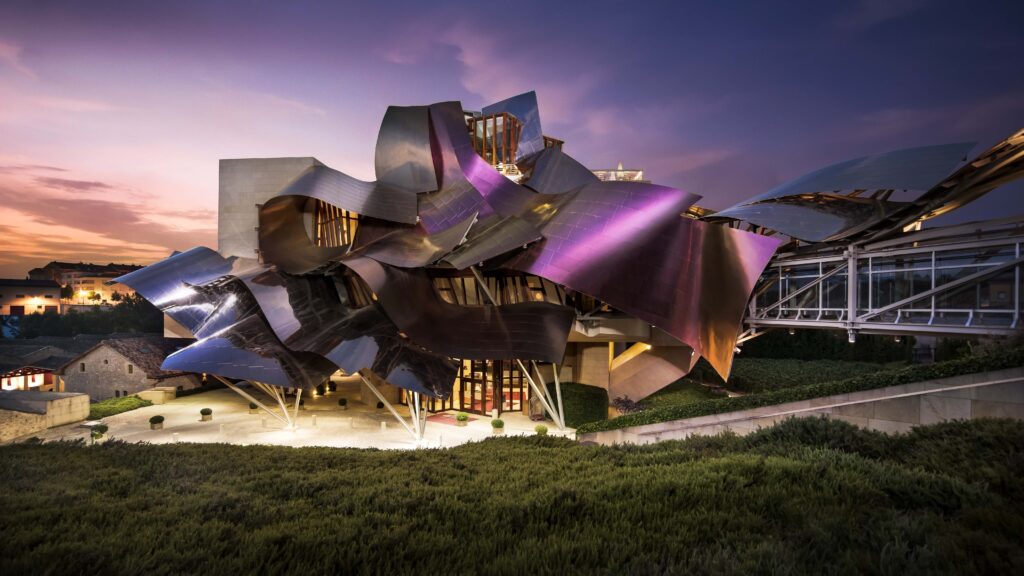
Architecture, design and emotion – only rarely do they merge as directly as at Hotel Marqués de Riscal in Elciego. Designed by Frank Gehry, the building has long since become an international icon. So it was particularly important to me to speak with the hotel’s director, Stefan Friedl. I wanted to know how you run a work of architectural art in everyday life, what role aesthetics and design play for the guests – and which moments still shape him personally today. What particularly interests me about places like this is how architecture, atmosphere and identity shape the perceived value of a place – an idea that also plays a central role with exceptional properties.
Mr Friedl, Frank Gehry has made Hotel Marqués de Riscal an architectural icon. How do you experience this building in the day-to-day running of the hotel?
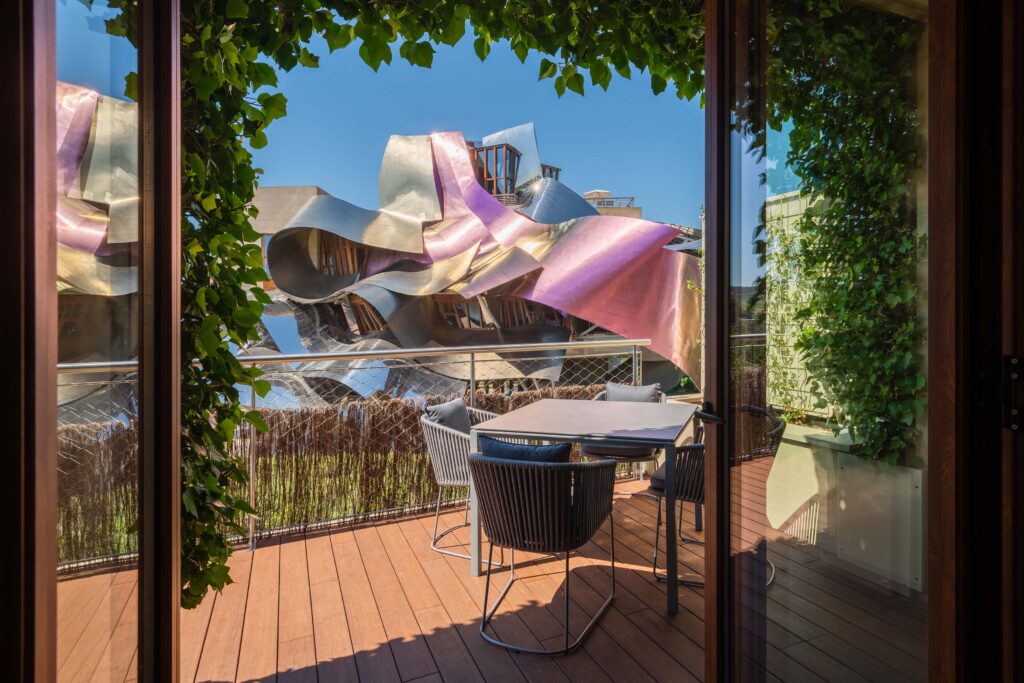
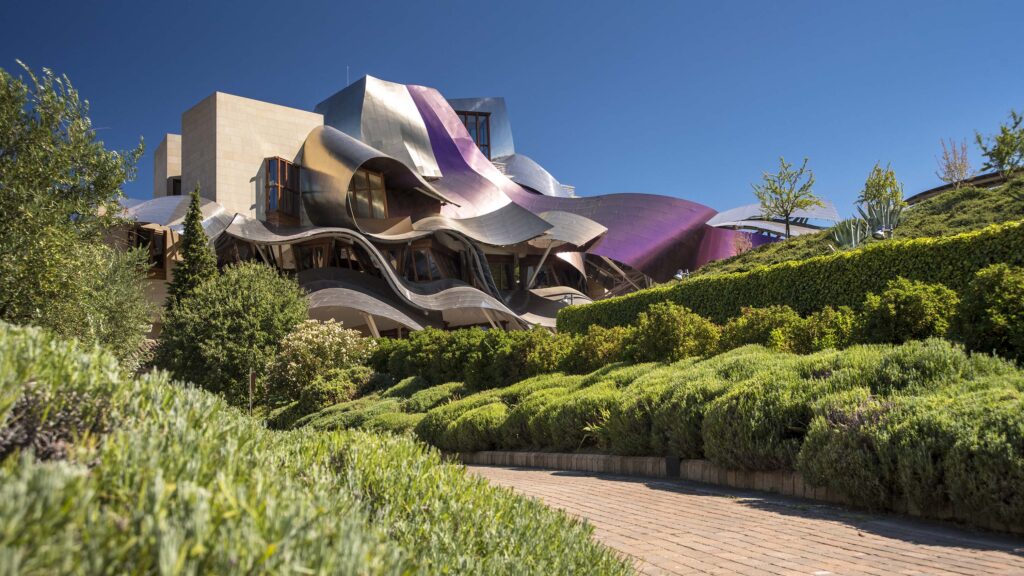
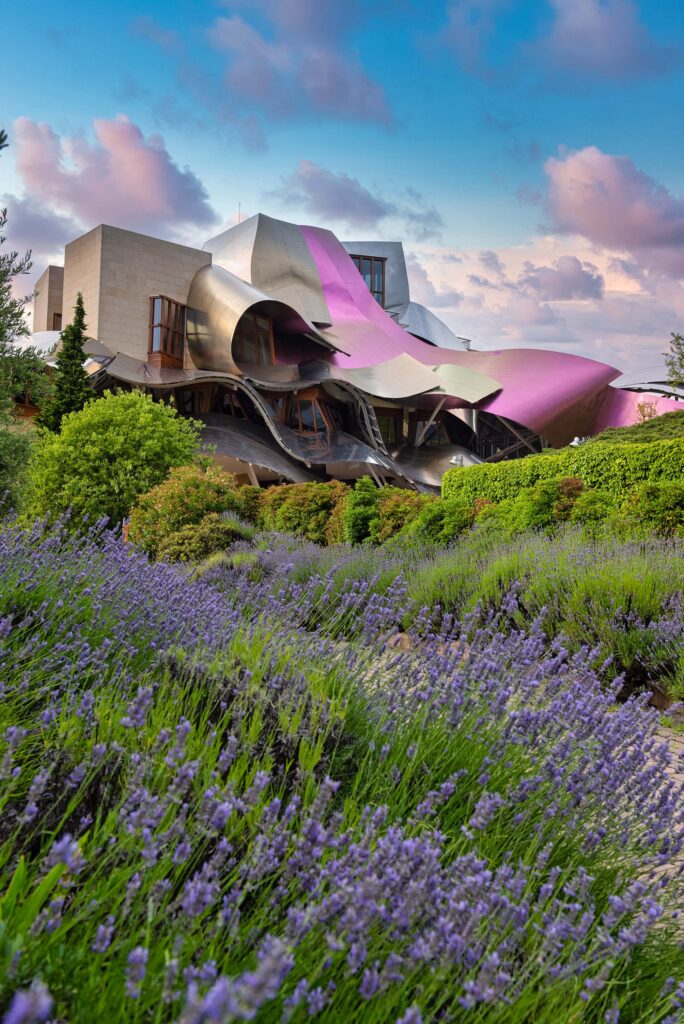
I have been here for ten years – and it is still a spectacular building for me. As a host, I enjoy seeing the reactions it triggers in our guests. One big difference from a normal city hotel is that we are not simply accommodation you choose when you happen to be in the area. People come here because of the hotel – and that is why they are in Elciego.
In your view, what role does architecture play in how a hotel is perceived – beyond function and comfort?
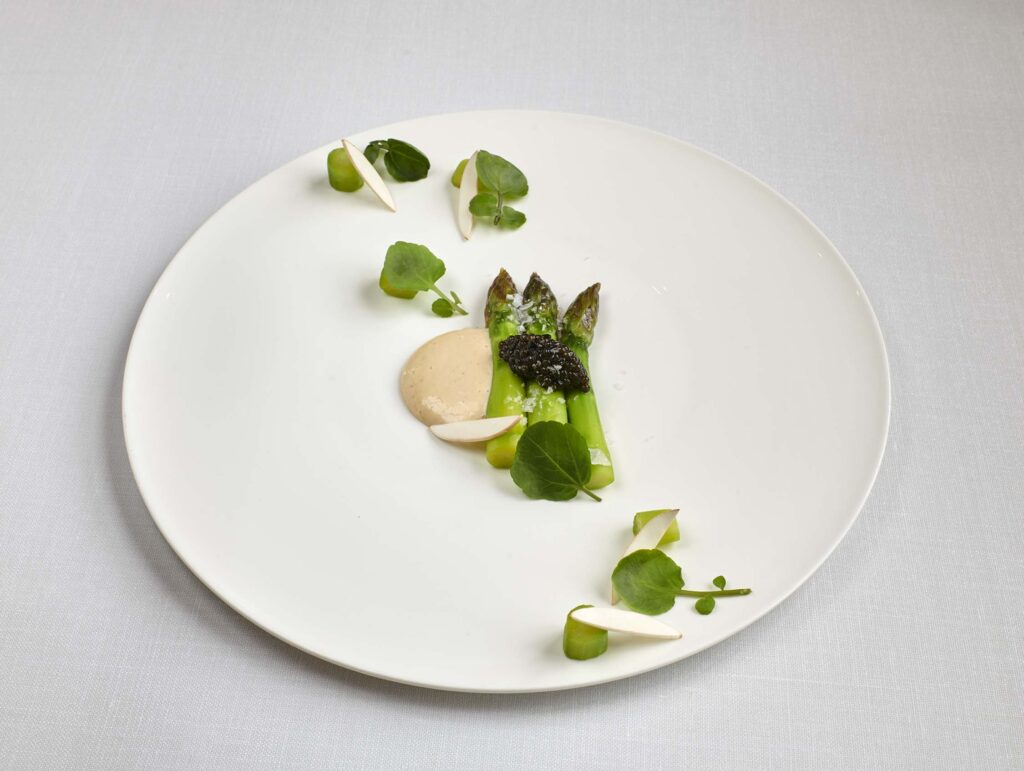
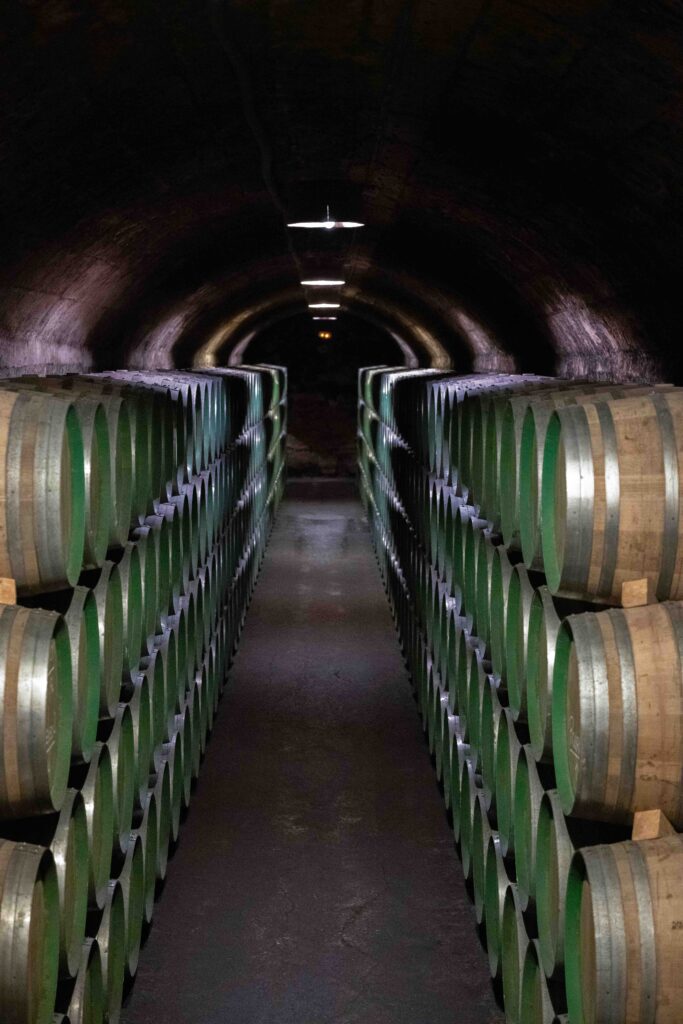
A decisive one. Guests come first and foremost because of Frank Gehry’s architecture. People often speak of the “Guggenheim effect”: Bilbao was hardly known before the museum, and afterwards it became world-famous. To some extent, we are experiencing the same thing here. Nobody knew beforehand the name of the village we stand in – guests travel here because of the hotel. And then, of course, they combine it with the winery, good food, wine and spa experiences. It is more than a stay – it is a cultural journey.
MAGAZINE
“The King of Spain has been here twice – Juan Carlos and Felipe. Both were very interested, asked questions and took time to get to know the building.”
How important are aesthetics and outstanding design for your guests’ experience and the success of your hotel?
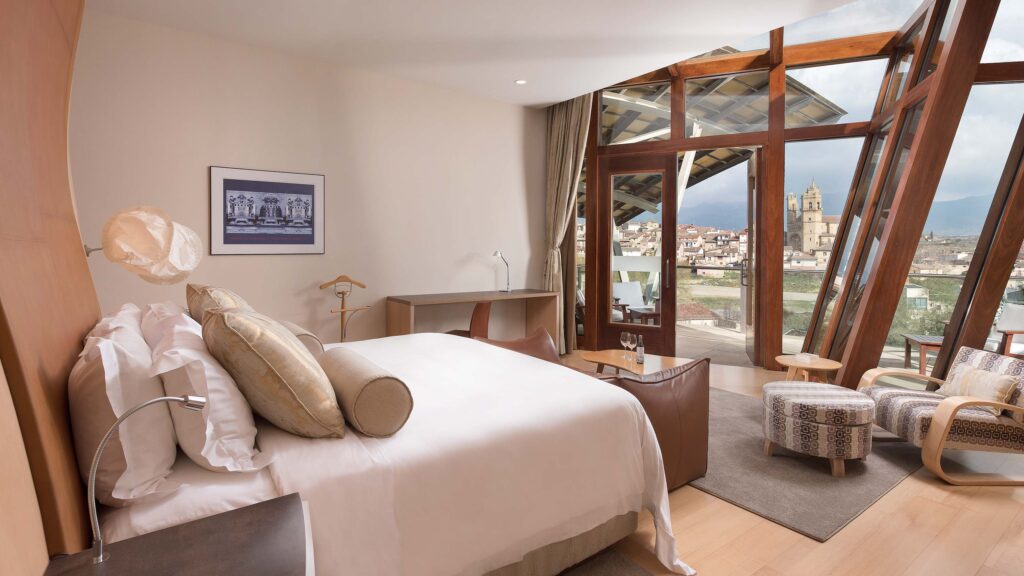
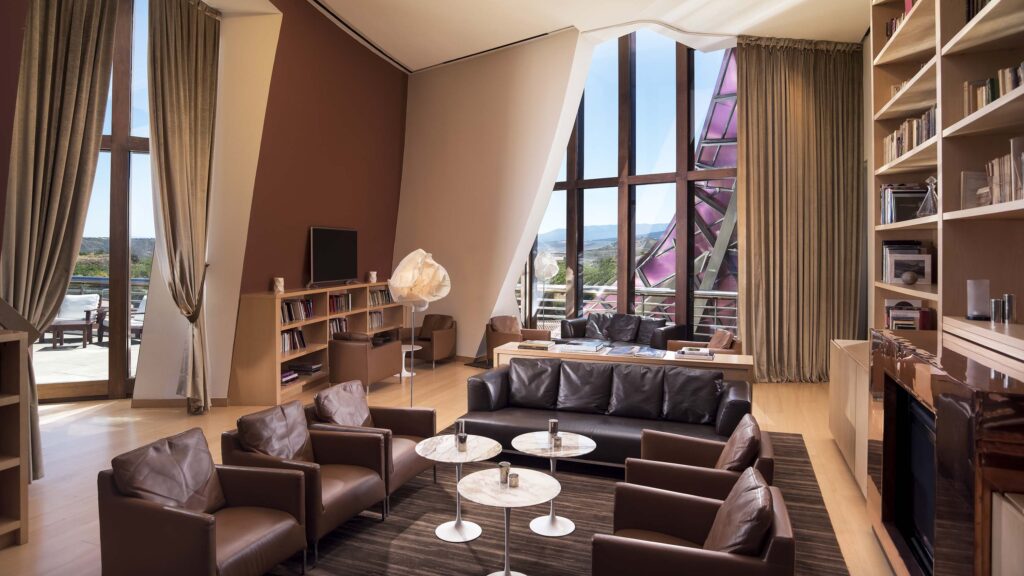
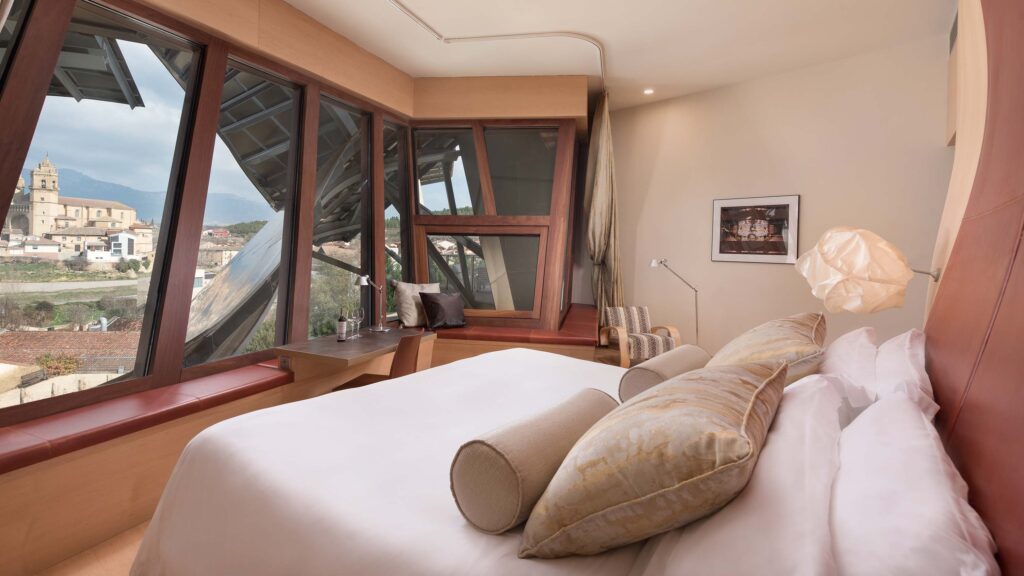
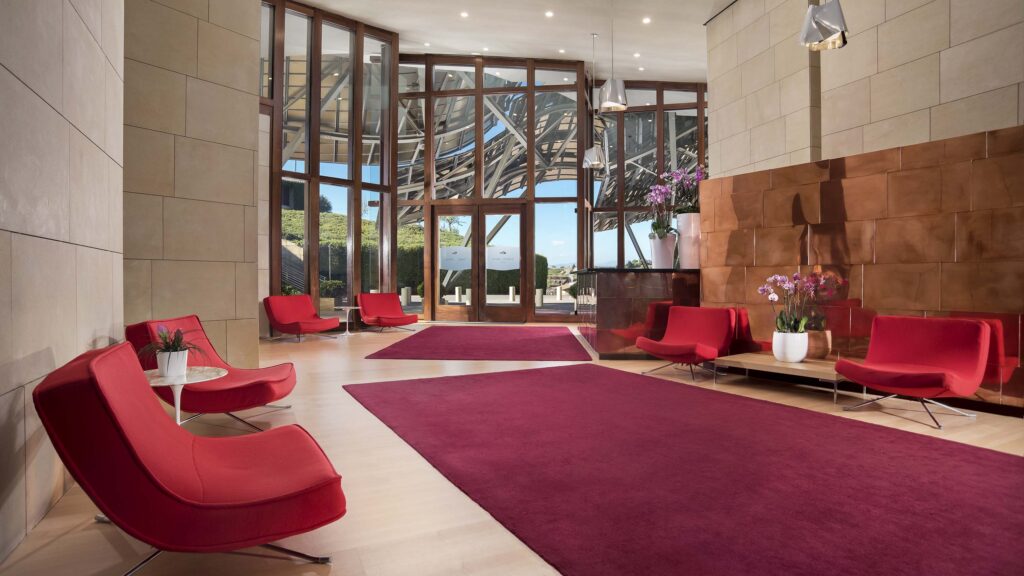
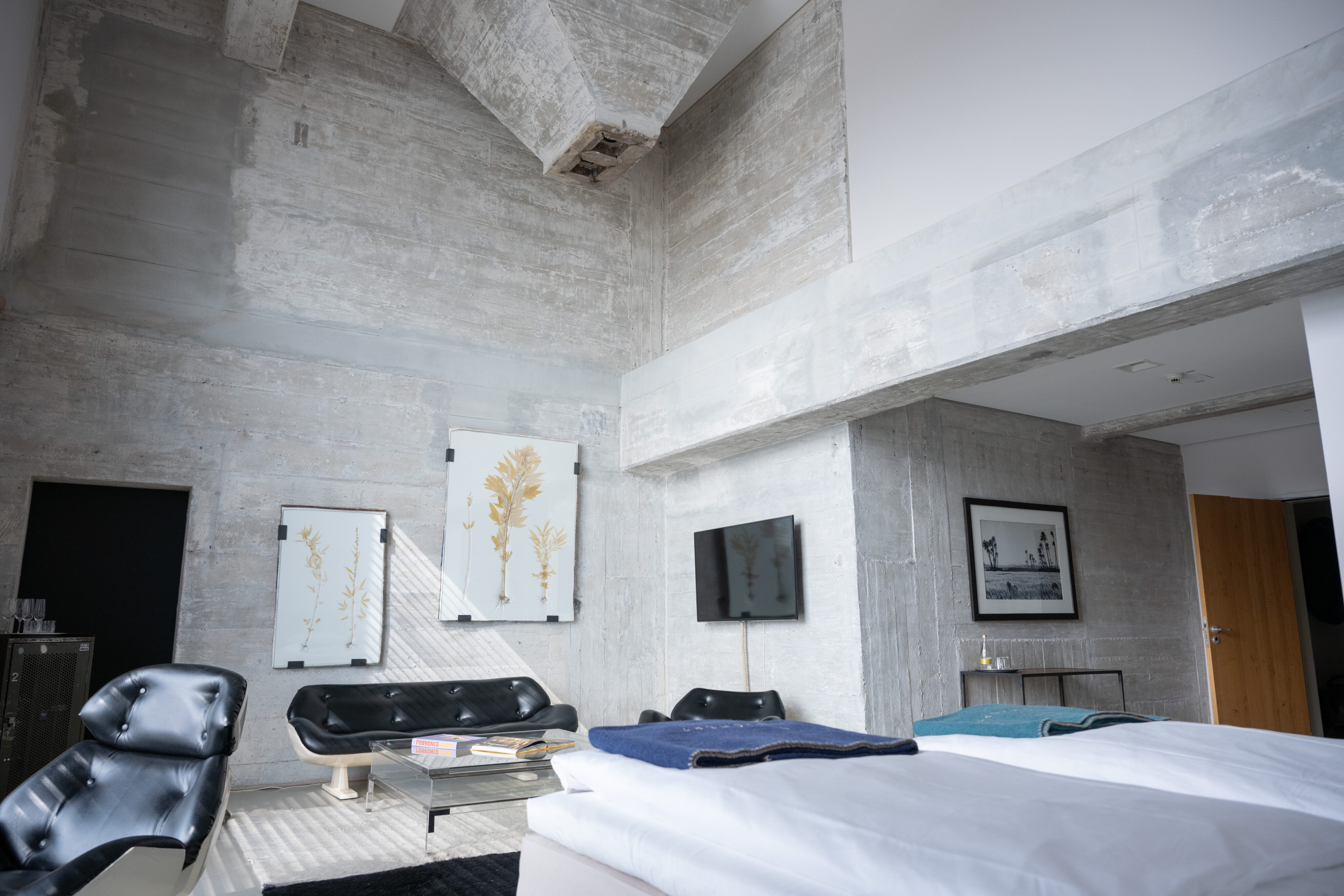
Very important – but in different ways. The architecture itself is an easily understood art: you see the building and you are impressed. The interior, on the other hand, is designed with restraint – a deliberate minimalism, so that the symbiosis between building and nature remains tangible. The impressive exterior leads some guests to expect an equally spectacular experience inside – but here a different, more restrained atmosphere is deliberately on show. As soon as we explain why Frank Gehry decided it this way, they understand – and appreciate it. Since we placed a small information card in the rooms, guest feedback has improved enormously.
Are there particular design principles or details in the hotel that guests perceive unconsciously and that contribute decisively to their well-being?
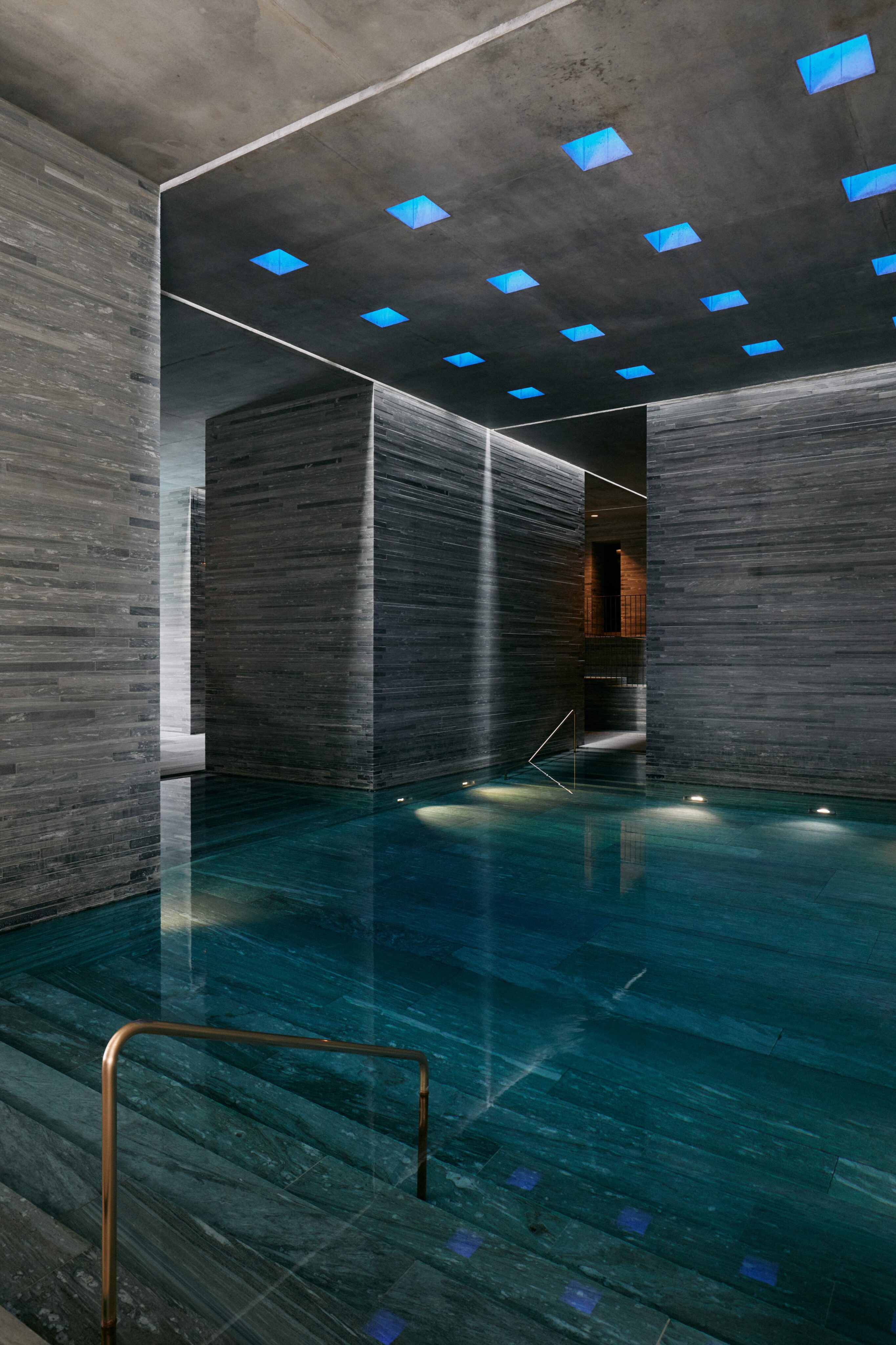
Yes. For example, the oversized bathrooms in the spa building, which are not only bathrooms but also dressing rooms. Large mirrors, lots of light – that conveys luxury and comfort. This idea is also implemented in the main building, albeit somewhat more compactly. Details like these contribute noticeably to well-being, even if guests are often not even aware of them.
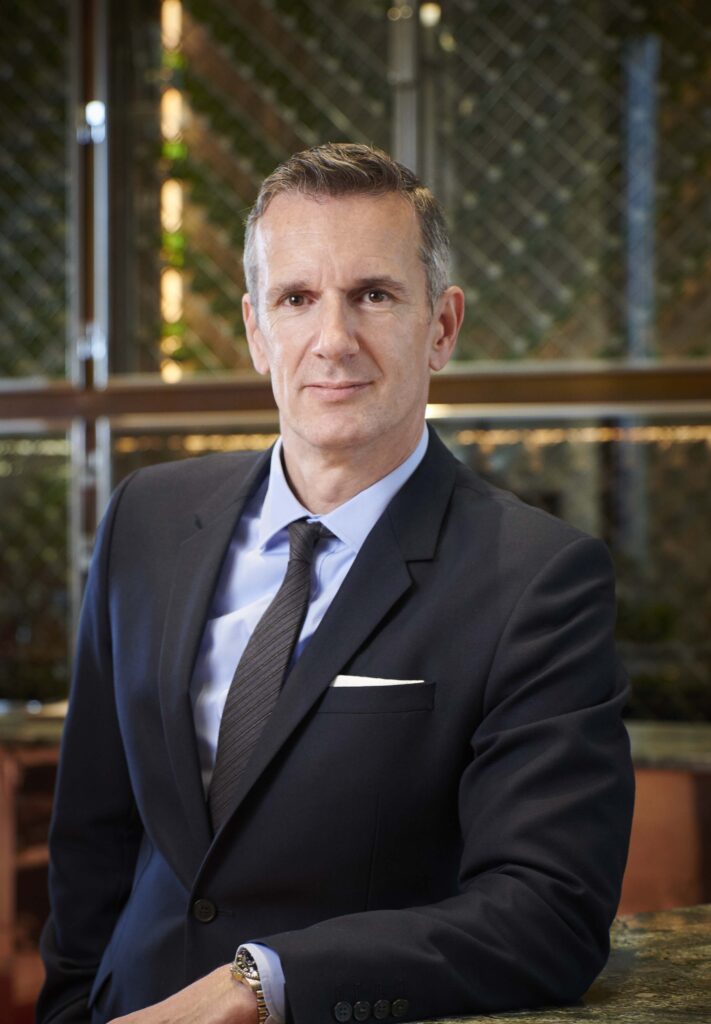
“As a host, I enjoy seeing the reactions the architecture triggers in our guests.”
Marqués de Riscal is not only a hotel, but also a winery and a brand. How does this interplay shape the identity of the house?
Our identity is made up of the architecture, the cuisine, the wine – and of course the brand. We belong to Marriott’s Luxury Collection, which stands for hotels with individual character. Each hotel retains its independence. For us, that means everything – from the materials to the interior – was freely chosen by Frank Gehry. This uniqueness shapes our identity.
If you had to sum up the feeling of your hotel in a single word – what would it be?
Joie de vivre.
Are there moments when you feel that the architecture itself becomes part of your guests’ emotional experience?
We experience it every day. Most guests get out of the car, take a few steps back and look at the building first before they even enter the hotel. This amazement is often the first contact – and a very emotional moment. For us as staff, it is a joy every time and also a source of pride.
What fascinated you personally most about this house when you took over its management?
Its enormous reputation. Even back then, when we “only” had 3,000 hotels in the Marriott portfolio, Marqués de Riscal was on everyone’s lips. The image of the house still appears regularly in company presentations today.
The Marriott family themselves know and value the hotel – reactions like that make you proud. It is not the largest house, but one of the most special.
Which encounter with a guest has stayed in your memory in particular?
The King of Spain has been here twice – Juan Carlos and Felipe. Both were very interested, asked questions and took time to get to know the building. Moments like these show that our house touches not only tourists, but also personalities of the highest rank.
Do you believe that architecture like this in Elciego can change an entire place or region?
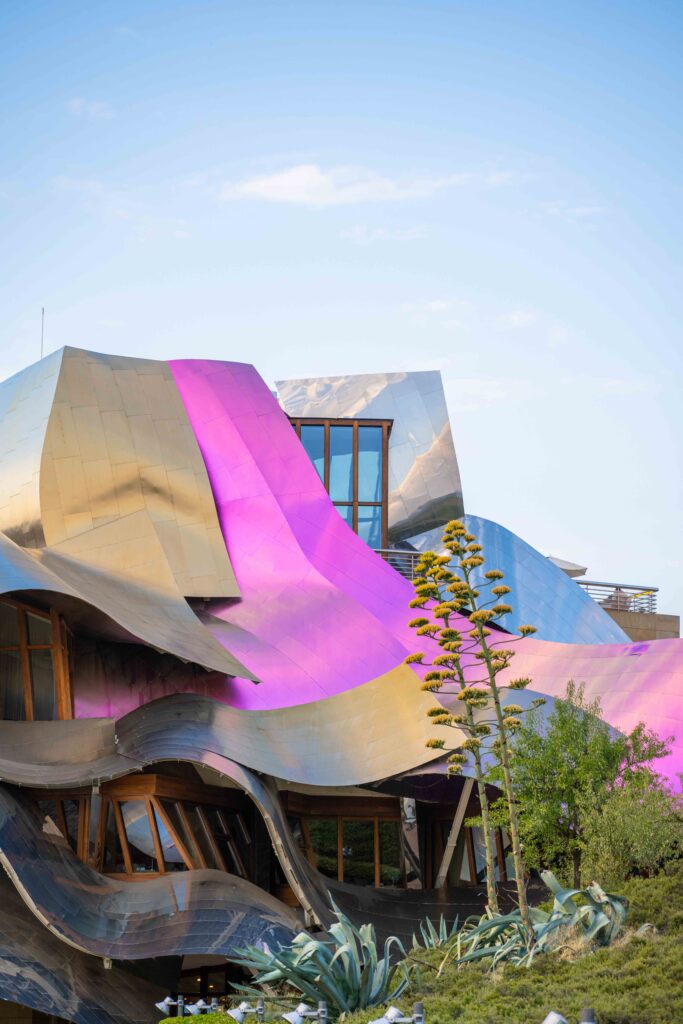
Yes, absolutely. One example is the Guggenheim Museum in Bilbao, which made the city world-famous. Here in Elciego – with just under 1,000 inhabitants – it was not easy to accept the project at first. Many thought the building would spoil the landscape. Today people are proud that it stands here. Even if the economic effect for the village is limited – the awareness of living in a place with a Frank Gehry building shapes how people see themselves.
Mr Friedl, thank you very much for the conversation.
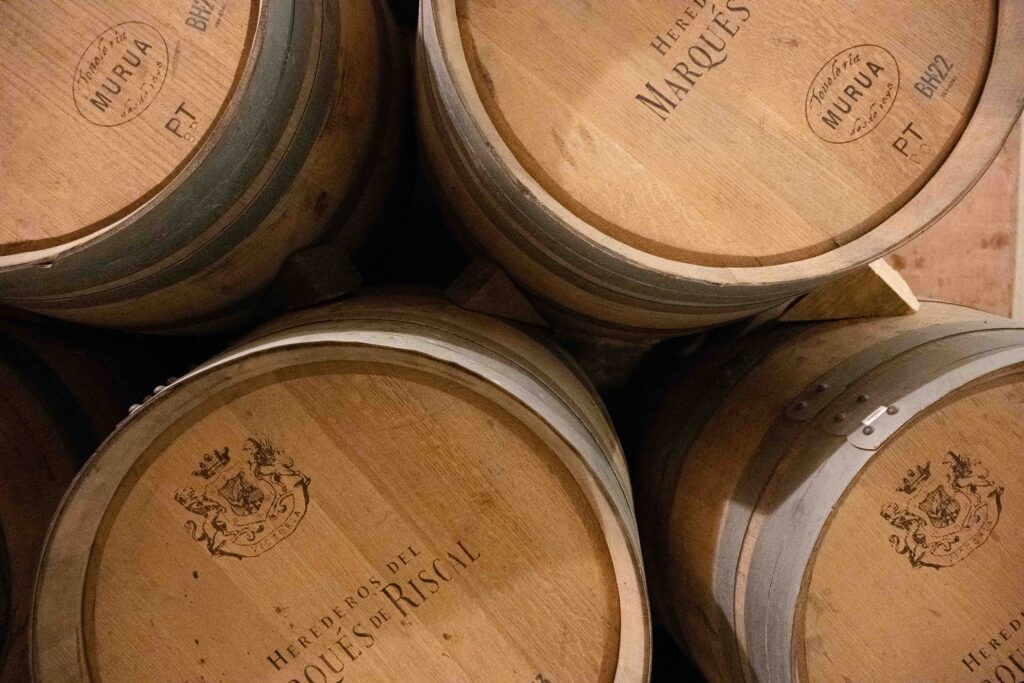
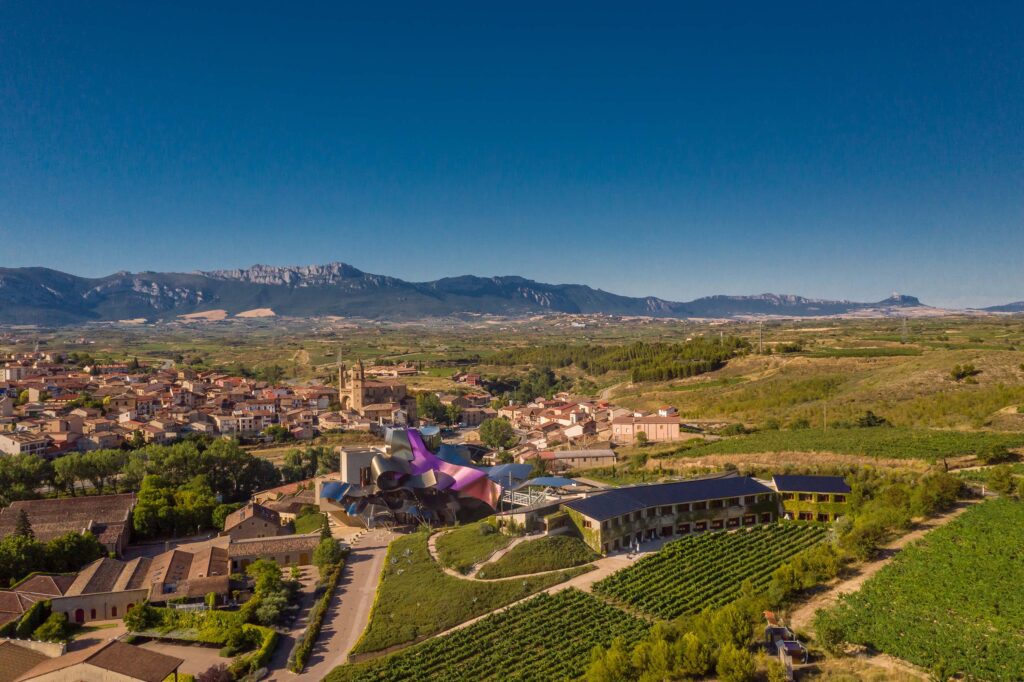
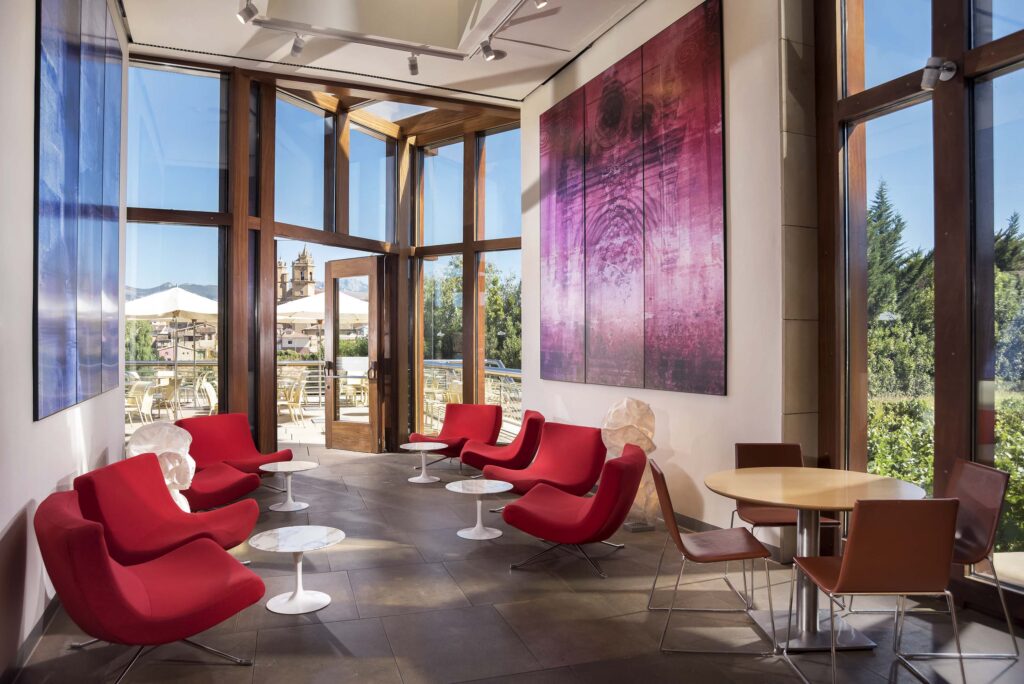
Photos: Marriott, Marian D. Wensky

— Owner Hans Jürgen S.
“The presentation of the apartment was excellent, and we were looked after perfectly from start to finish!”
