Architecture | Switzerland
In search of the quiet form
Two days, twelve stops and the question of why some places move us deeply while others merely function.
Switzerland drew me back once again. To a country where landscape, architecture and design merge in a rare way. To where, with the Therme Vals, one of the most powerful places I have ever experienced stands – and where you can find a design attitude that does not demand attention, but convinces through calm, precision and consistency.
As an estate agent from Mannheim, I could have begun this journey on my own doorstep. But for me, Switzerland is one of the places where modern design originated. Its architecture, its typography and its landscapes often follow a shared idea: nothing needs to be louder than it should be.
Perhaps I was searching there for a kind of clarity. For places where architecture, landscape and design do not compete with each other for attention. For spaces that do not just function, but change something in us.
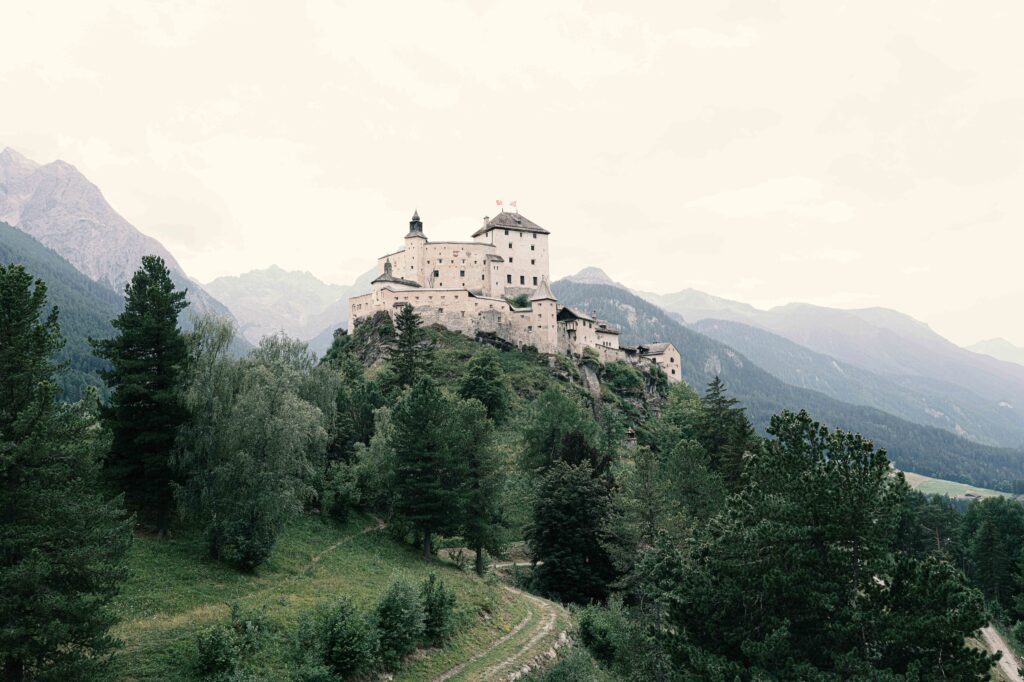
Together with the photographer Claus Geiss, the journey led for two days through Graubünden: from Chur over the Julier Pass and Mulegns to Zuort, Sent, Ardez and Tarasp. Not to collect as many sights as possible, but to look more closely.
What makes a place special? Why do we experience some spaces as soothing and others as restless? And what can architecture and design tell us about how we want to live?
MAGAZINE
What makes a place special? Why do we experience some spaces as soothing and others as restless? And what can architecture and design tell us about how we want to live?
Chur. The beginning
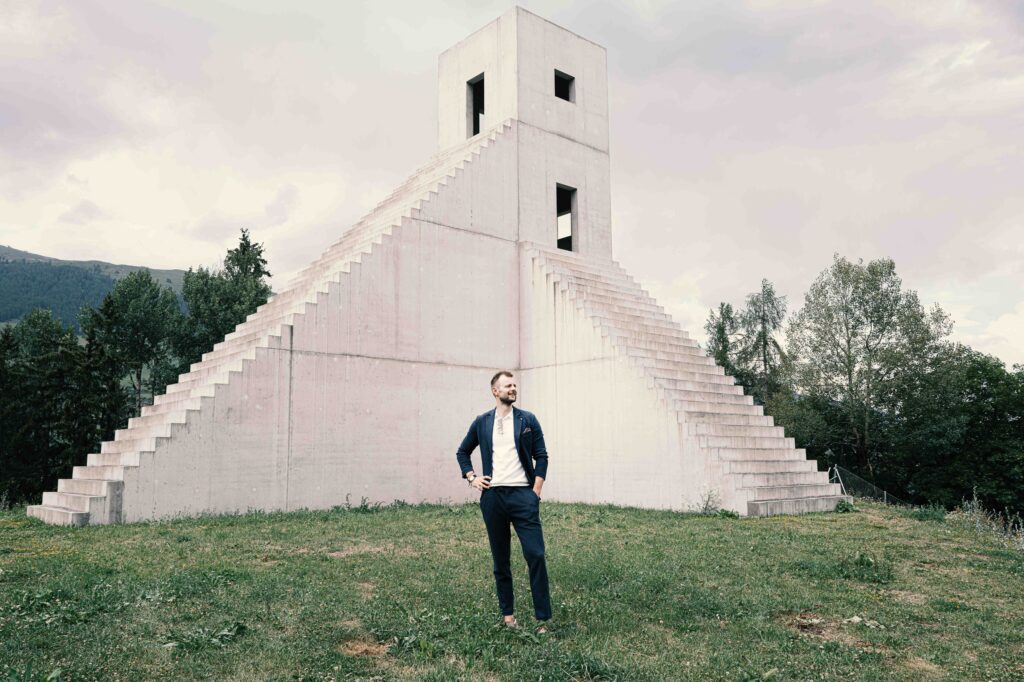
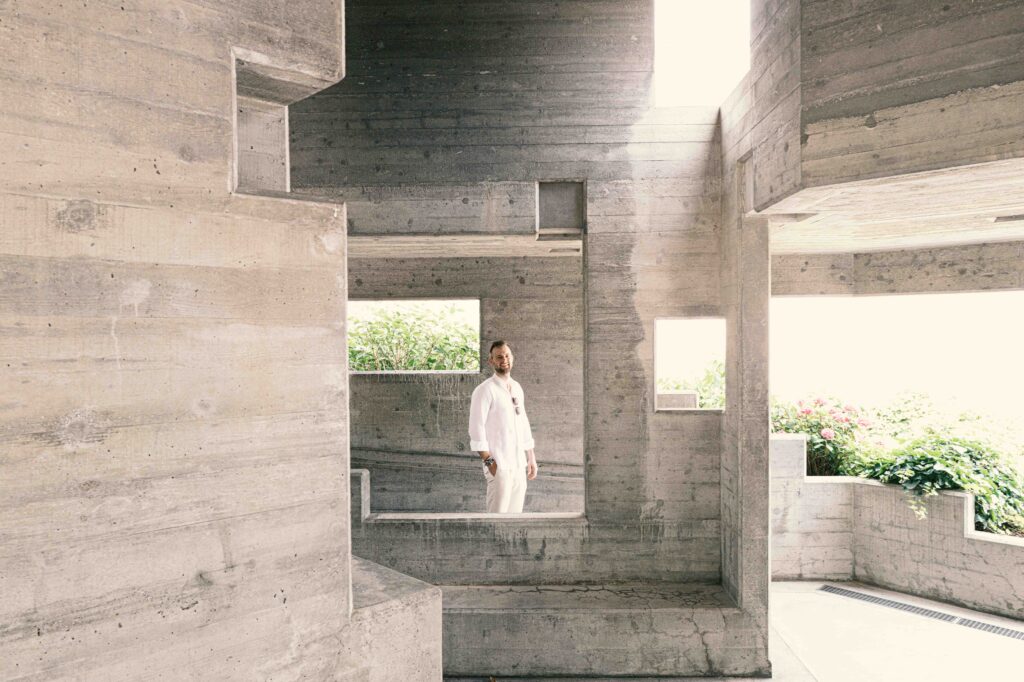
The journey begins at the Heiligkreuz Church in Chur. Clear surfaces, light concrete, hardly any distraction. A fitting starting point for a journey that is less about seeing as much as possible than about perceiving the effect of spaces and forms more consciously.
Switzerland has produced a design language that feels precise, restrained and almost self-evident. Helvetica became the symbol of this attitude: a typeface whose strength lies precisely in not pushing itself to the fore.
In the country’s architecture, too, we repeatedly encounter the idea that good design does not decorate, but orders. It convinces not through staging, but through proportion, material and consistency.
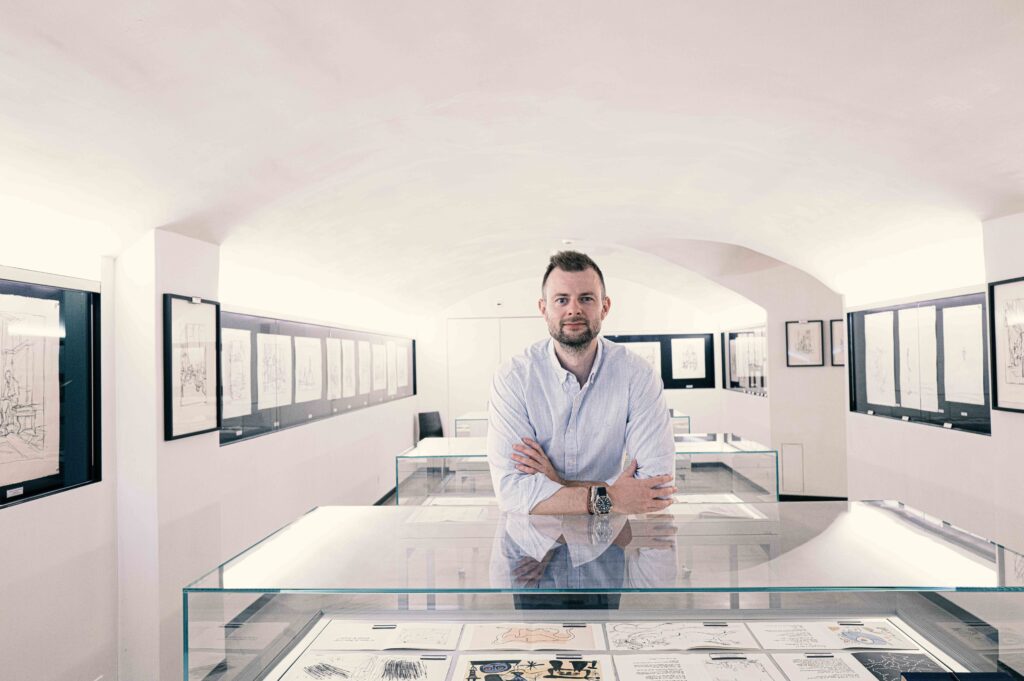
“Good design does not constantly demand attention. It gives it room.”
Julier Pass and Mulegns. Reduction and identity
Beyond Chur, the road begins to climb. The villages become smaller, the distances greater. With every kilometre, traffic, advertising and speed recede. The landscape takes over.
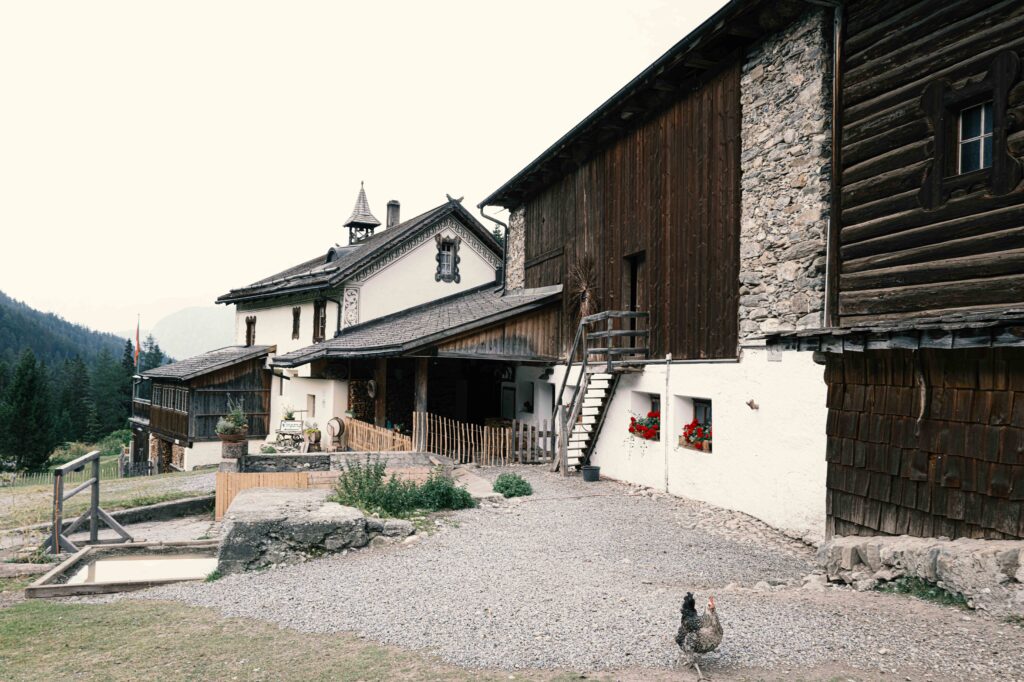
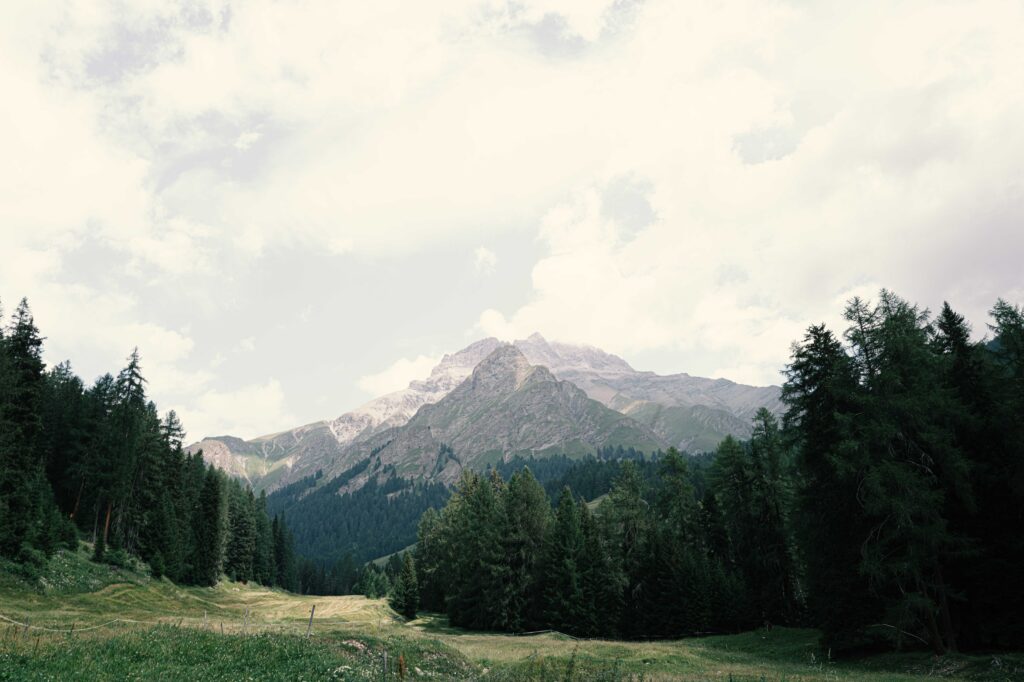
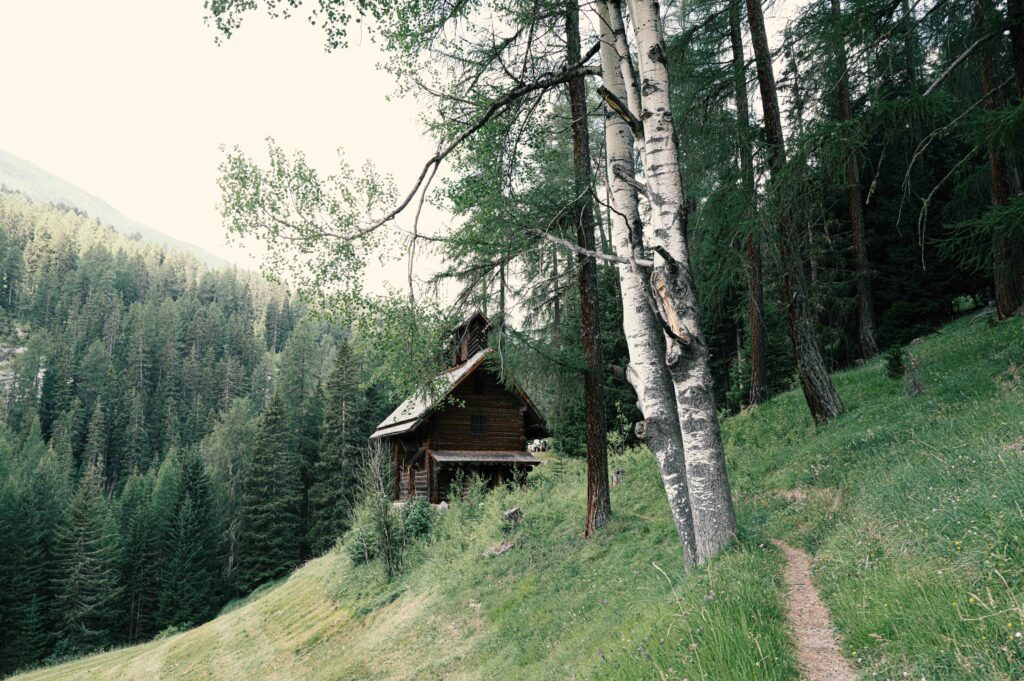
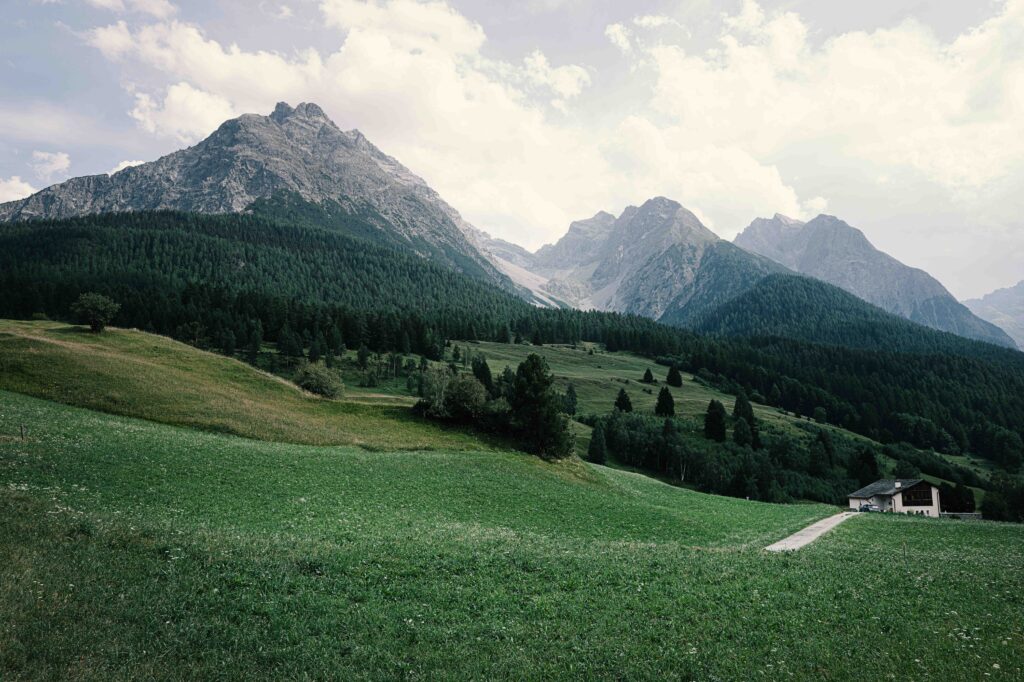
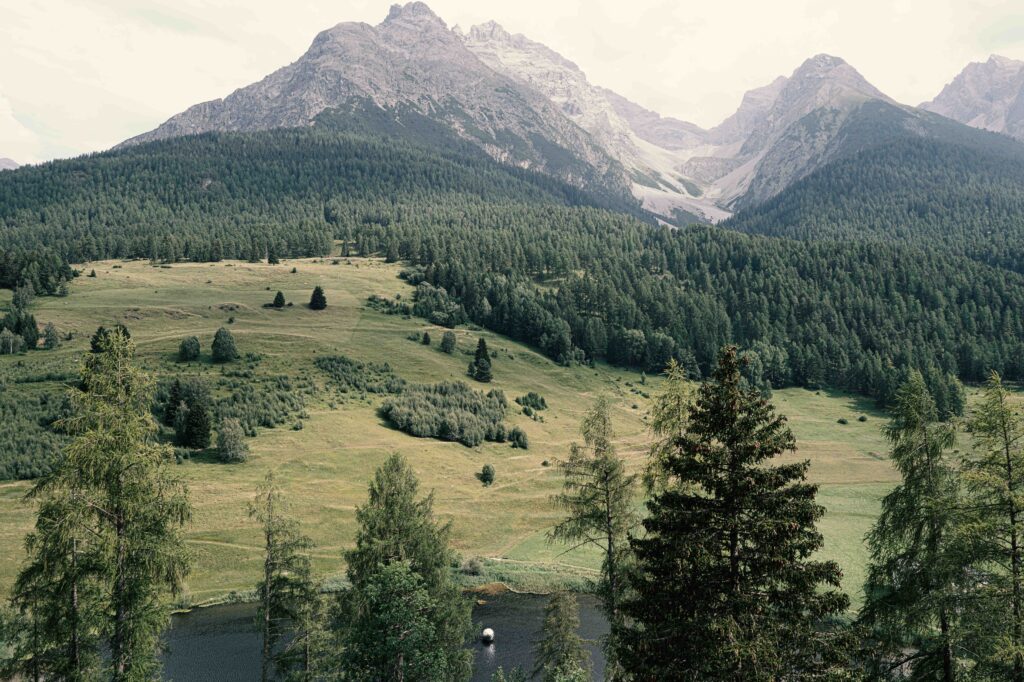
At the Julier Pass, we stop between rock, wood and a wide-open sky. The surroundings seem sparse, but not empty. Everything seems to be in its place. Perhaps it is precisely this reduction that sharpens the eye.
In building WENSKY Immobilien, too, it was always about stripping away the inessential. The company grew out of a clear idea: to view exceptional properties not only in terms of square metres and purchase prices, but in terms of their architecture, their atmosphere and their cultural quality.
For a long time, this picture was clearer in my head than in reality. But good design and entrepreneurship both begin with an idea of something that does not yet exist.
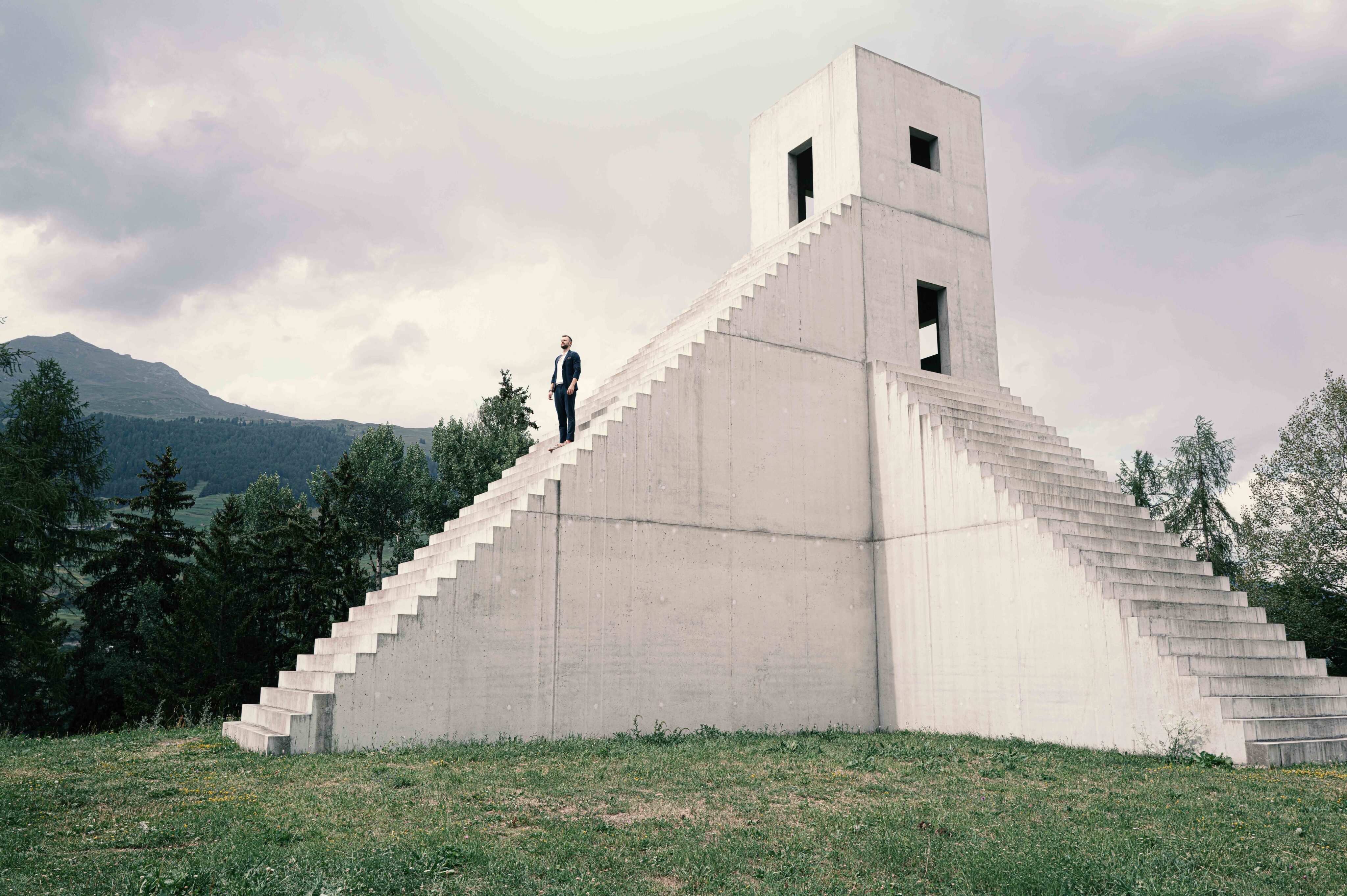
In Mulegns, the Tor Alva stands as a visible sign in the landscape. The village is small, the intervention clear and yet precise. Old and new stand side by side without one having to drown out the other.
Perhaps that is exactly where identity arises: not through adaptation, but through consciously setting a sign of one’s own.
Zuort. The luxury of absence
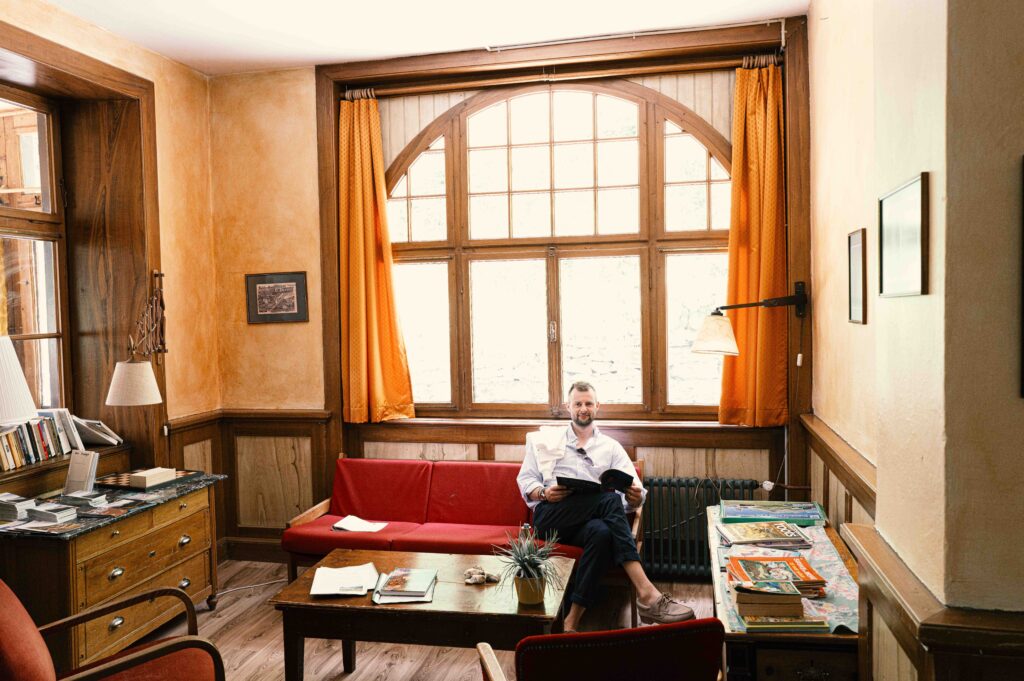
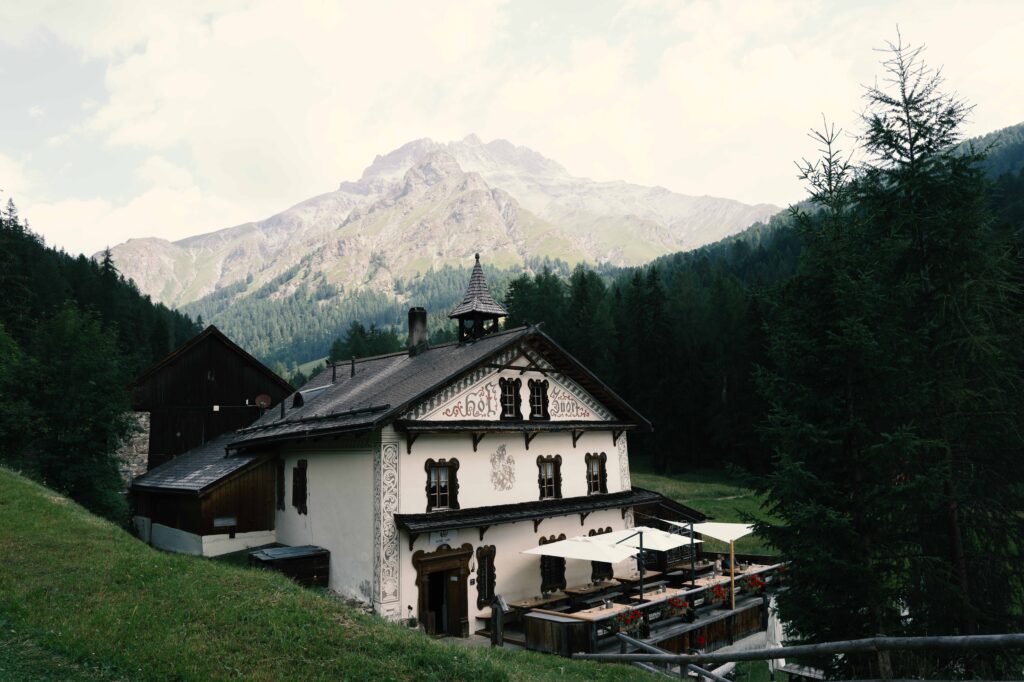
The road to Zuort leads deeper into the landscape. At some point, the familiar ends. There are fewer people, fewer sounds and hardly anything left that demands attention.
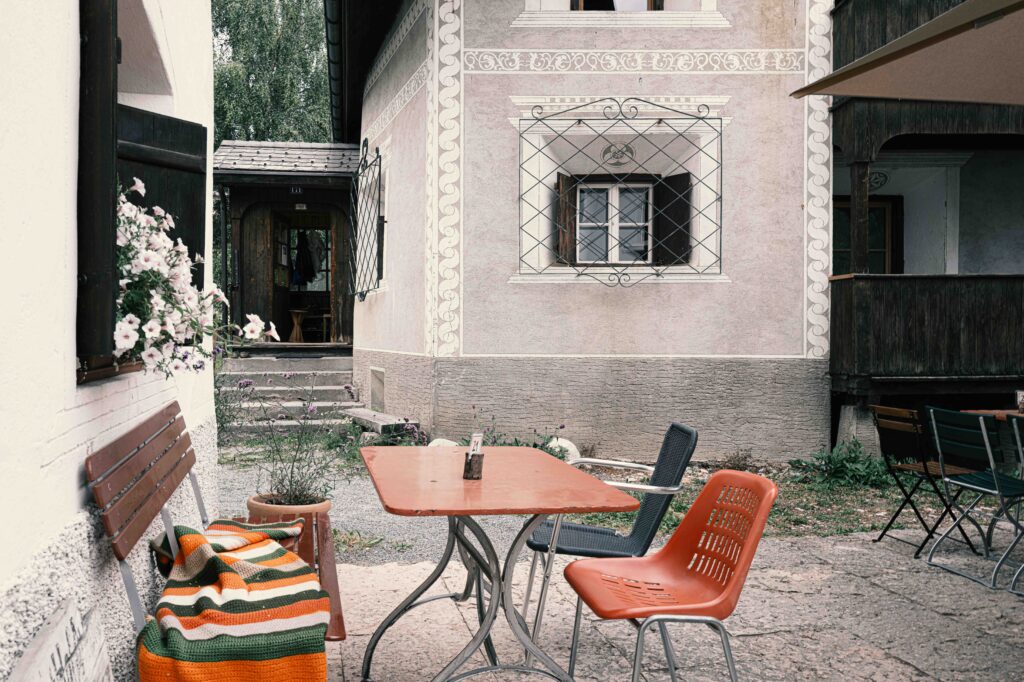
You sit on a terrace with an espresso. Above you the mountains, beside you old walls, wood and stone. Nothing far and wide that seems urgent.
In an age of permanent availability, calm becomes a form of luxury. Not the staged silence of a secluded resort, but the real absence of noise, appointments and stimuli.
Luxury then does not mean possessing ever more options. But not having to choose anything for a moment.
In places like these, perception focuses once again on subtleties: the temperature of a stone, the shadow under a roof or the sound of footsteps on wood. Things that are present in everyday life too, but are hardly noticed any more.
Val Sinestra. The effect of places
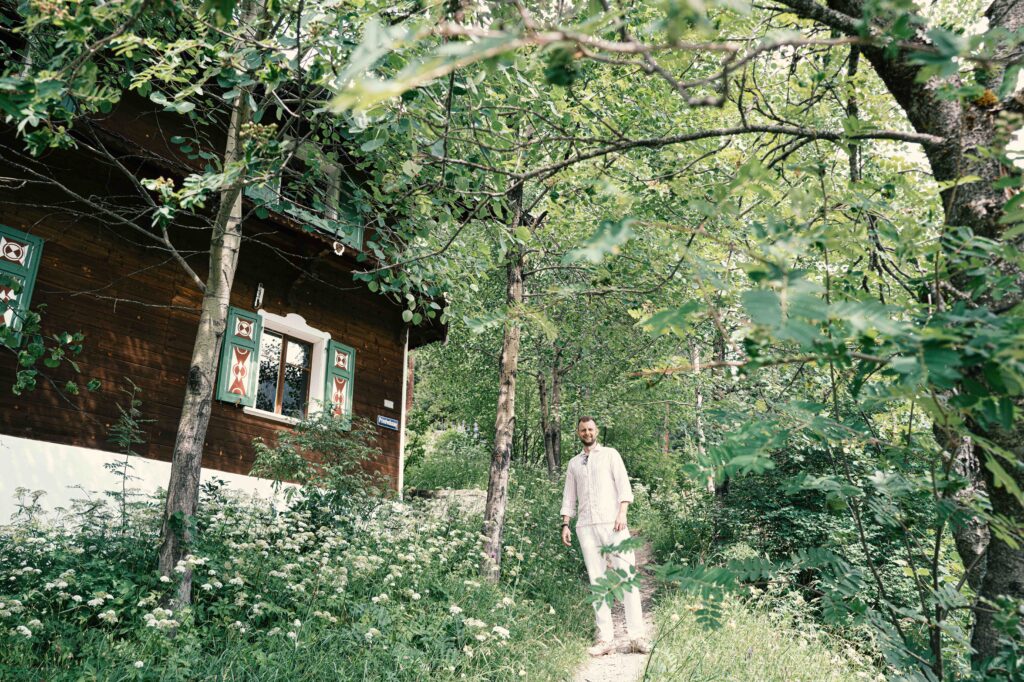
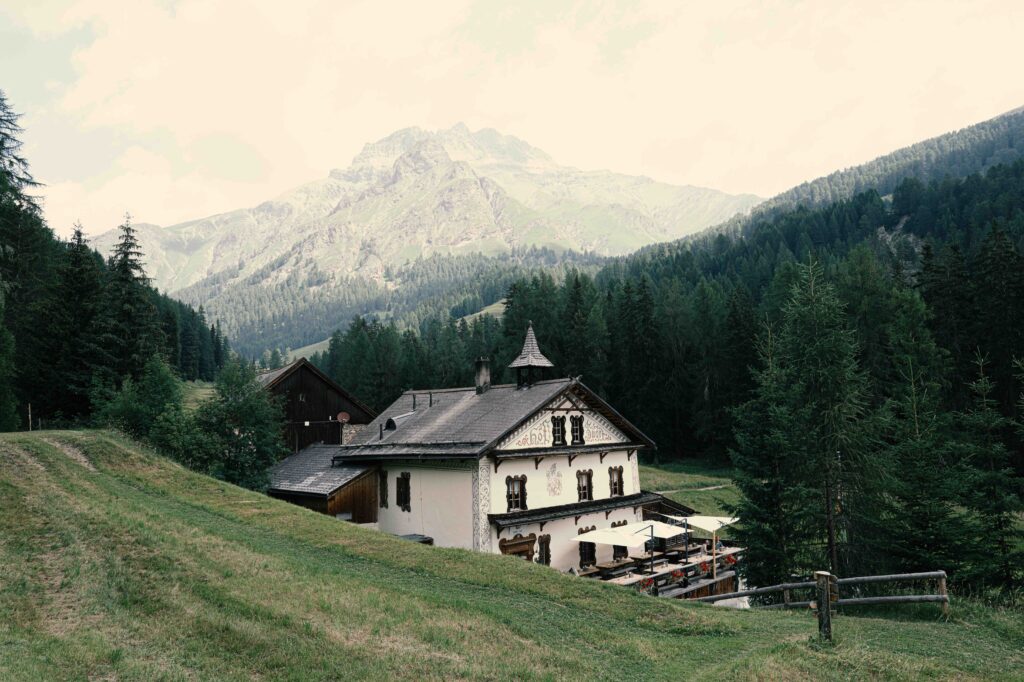
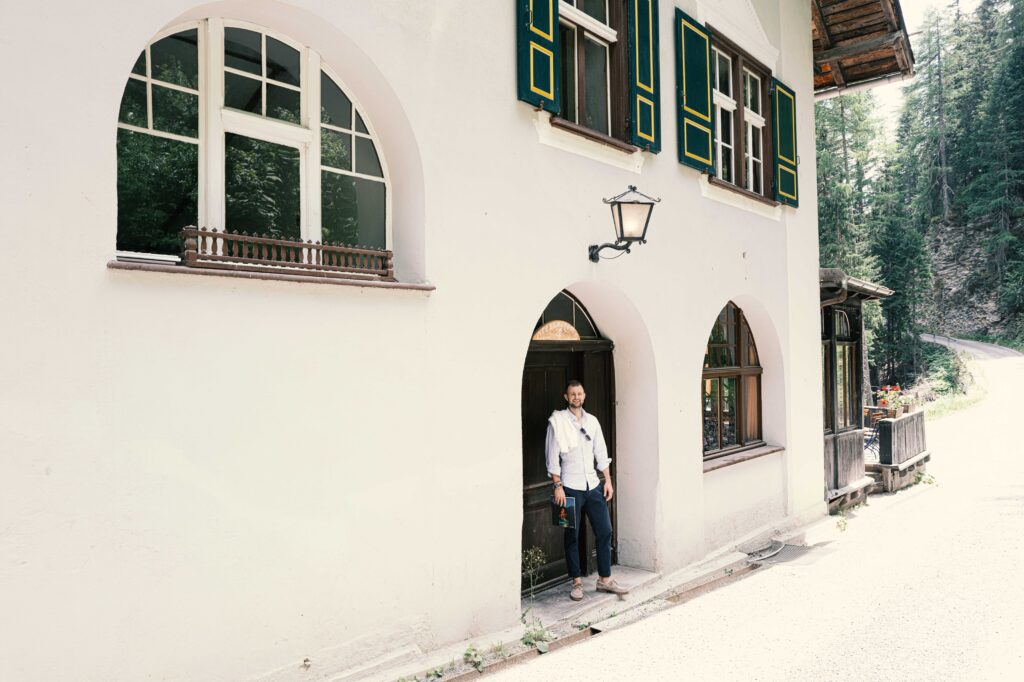
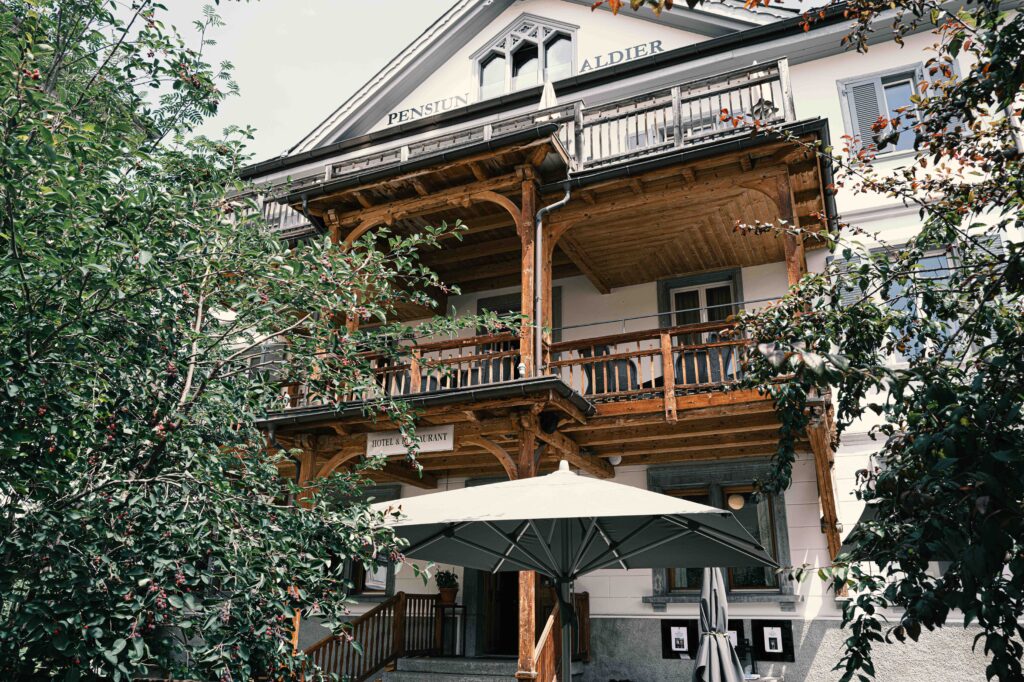
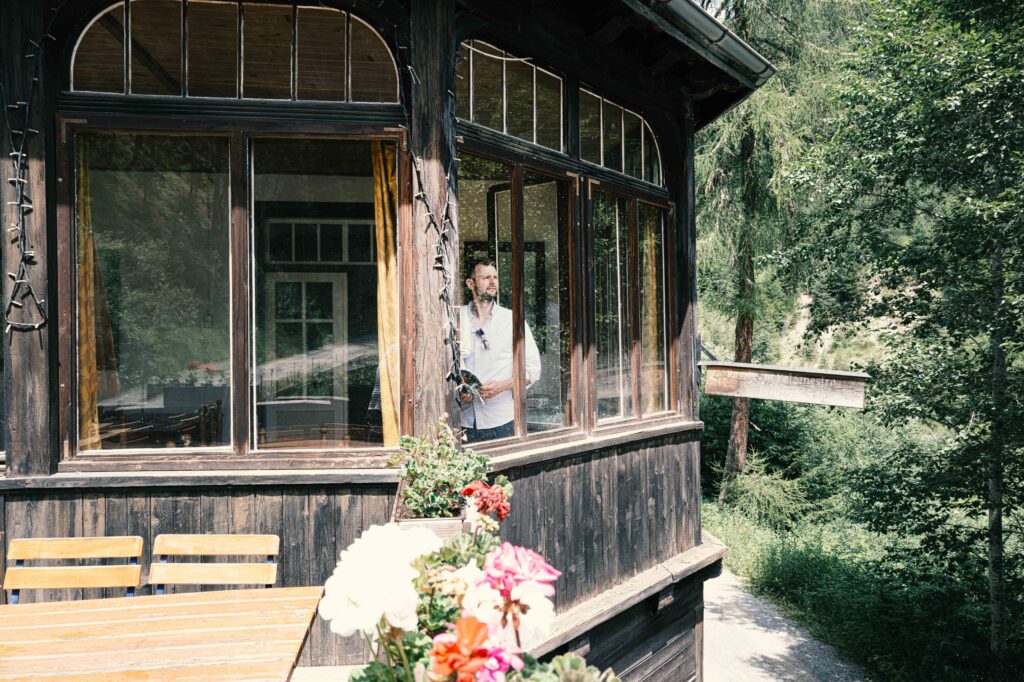
The Kurhaus in Val Sinestra appears almost unexpectedly between forest and mountains. Places like this trigger something in me that is hard to explain rationally. For me, aesthetics is not a superficial addition. It changes how we feel.
Spaces, materials, light and proportions affect us long before we begin to analyse them consciously. A building can create restlessness or serenity. A façade can leave us indifferent or make us curious.
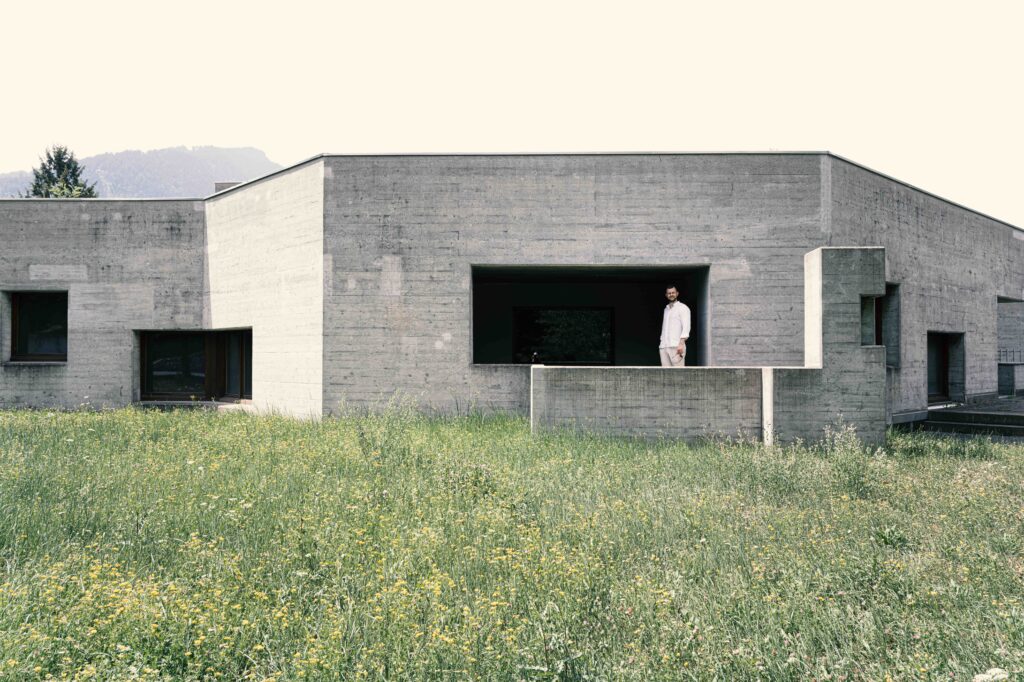
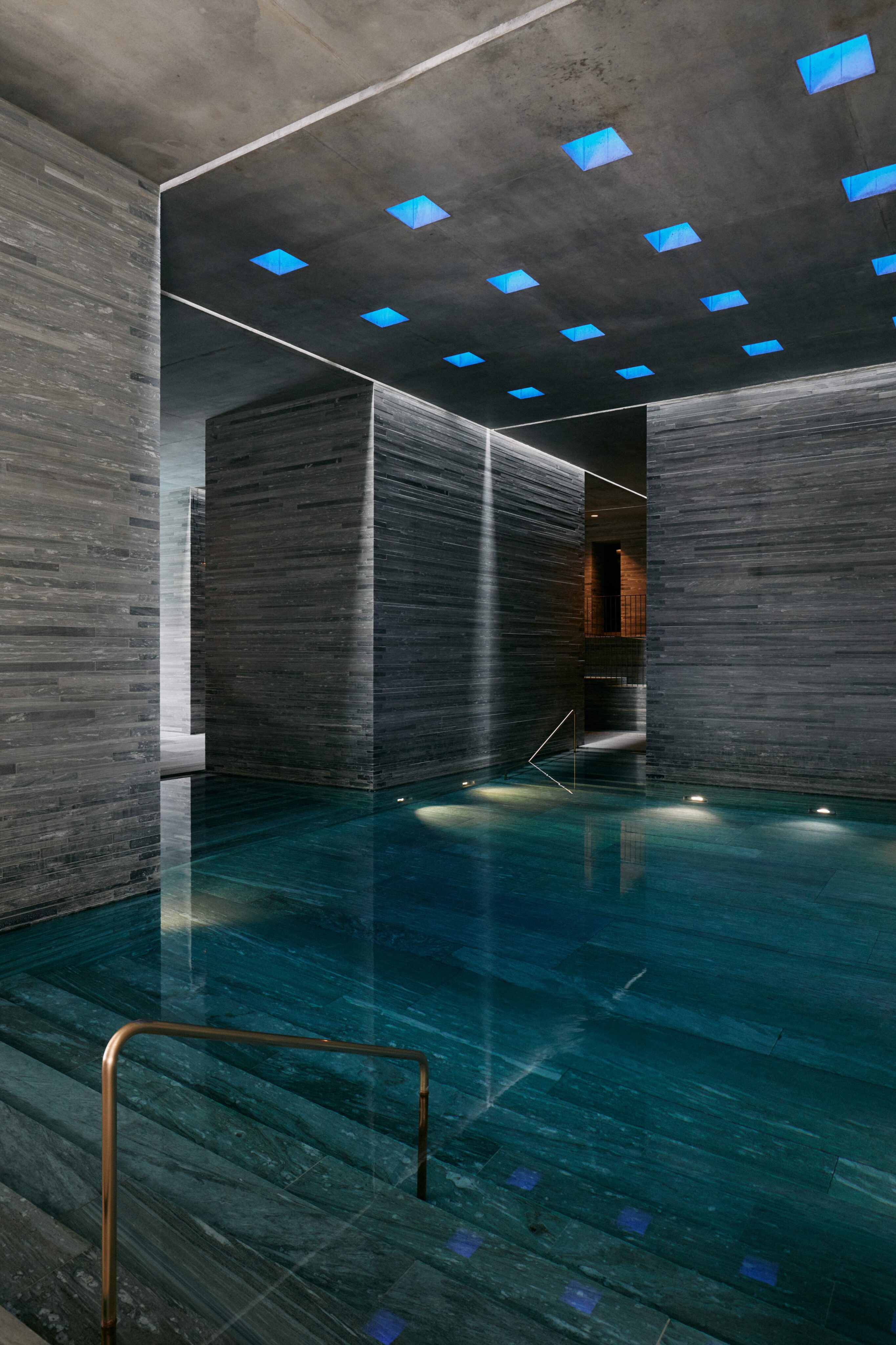
The most powerful place where I have experienced this effect so far is Peter Zumthor’s Therme Vals. There, stone, light, temperature, sound and movement combine into a total work of art. You do not simply enter a building. You enter a different state.
“Good architecture does not just show something. It changes something.”
It is precisely this quality that interests me in marketing exceptional properties. Not only making rooms, floor space and features visible, but the inner quality of a place and the life that becomes possible within it.
An exceptional house does not have its effect through its measurable properties alone. It has its effect through light, materials, proportions, views and the way a person feels in it. Making this often intangible quality visible is, for me, an essential part of high-quality property marketing.
Sent, Ardez and Tarasp. What remains
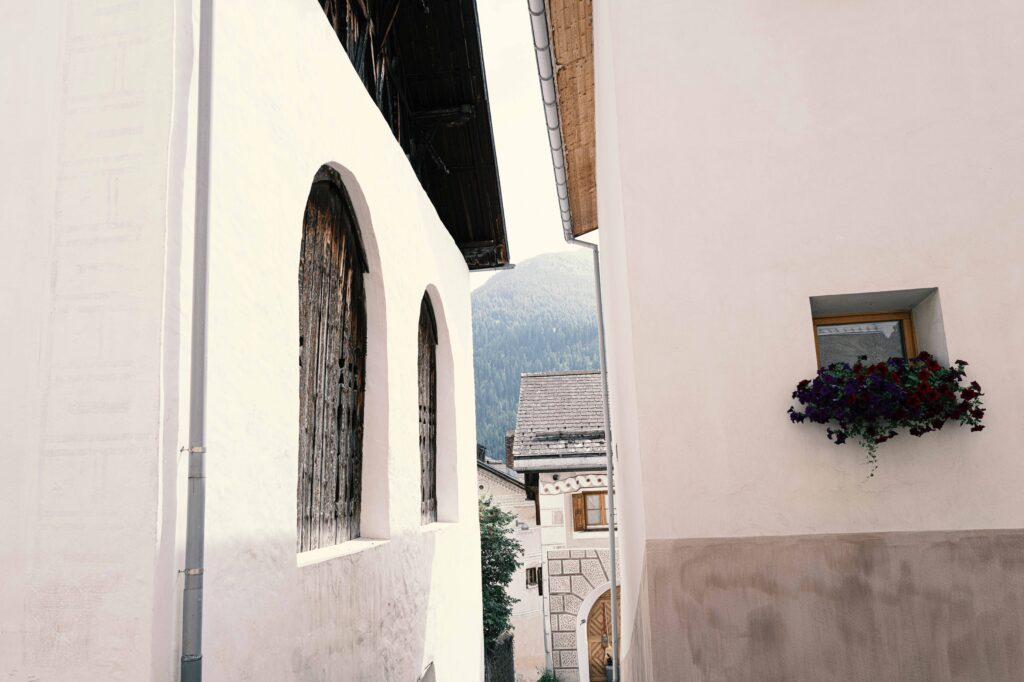
In Sent and Ardez, the houses stand close to the streets. Deep windows, massive walls and old gates shape façades that do not court attention. They arose out of a concrete life and are all the more characterful for it.
Old building fabric and contemporary interventions stand side by side. Permanence and change do not appear as a contradiction, but as part of the same story.
The last stops lie around Tarasp. After two days, the journey is not complete, but the original question has changed.
At the beginning, we were searching for the essence of Swiss design. In the end, it is more about the attitude behind it: concentration, consistency and the ability to leave things out.
MAGAZINE
“Spaces, materials, light and proportions affect us long before we begin to analyse them consciously. A building can create restlessness or serenity.”
Switzerland did not give us a ready-made answer. But it sharpened our eye: for architecture and landscape, for our own work and for the question of what really matters.
On the drive back, the landscape lies in the mirror. What remains is not just the photographs. What remains is the realisation that design and entrepreneurship have more in common than it first seems.
Both demand a clear idea. Both need time. And both rarely get better by simply adding more.
Photos: Claus Geiss

— Owner Hans Jürgen S.
“The presentation of the apartment was excellent, and we were looked after perfectly from start to finish!”
