Design | Interview
Hartmut Esslinger — The designer who gave Apple its form
A conversation with the founder of frog design about culturally relevant products, form follows emotion, working with Steve Jobs and the value of good design for architecture and property.
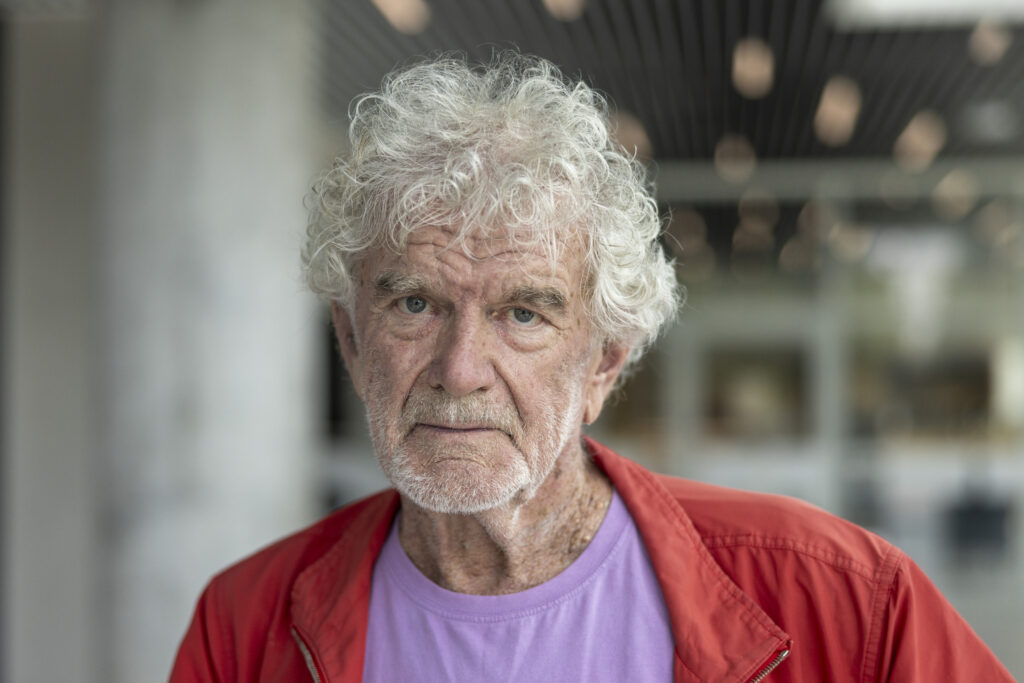
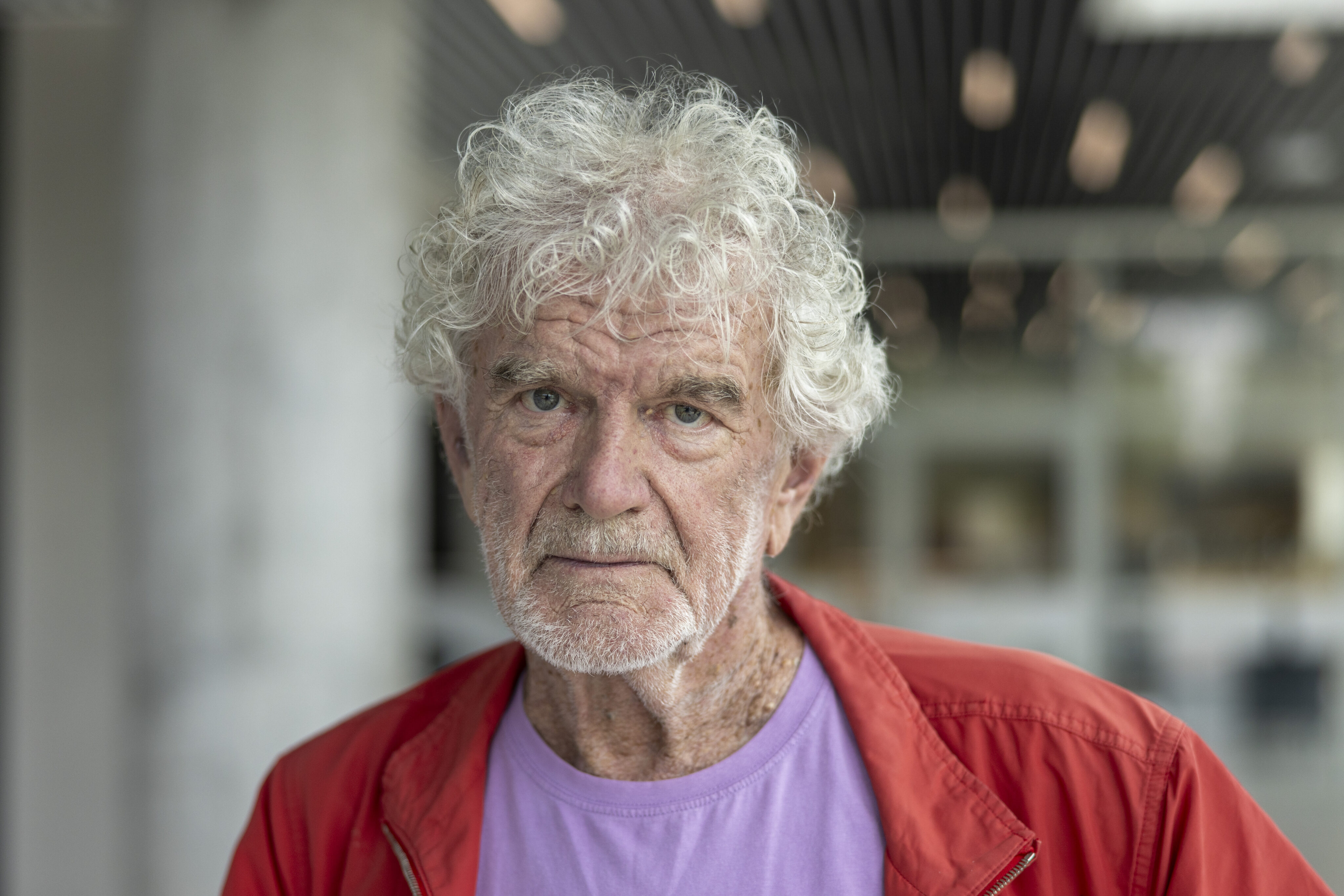
Hartmut Esslinger has shaped industrial design over the past decades. For Apple, he and his team developed the Snow White design language. It gave the products a shared identity and helped bring computers out of the technical niche and into everyday life.
In conversation, Esslinger explains why design is far more than a beautiful surface and how design can change identity, cultural relevance and the value of a property.
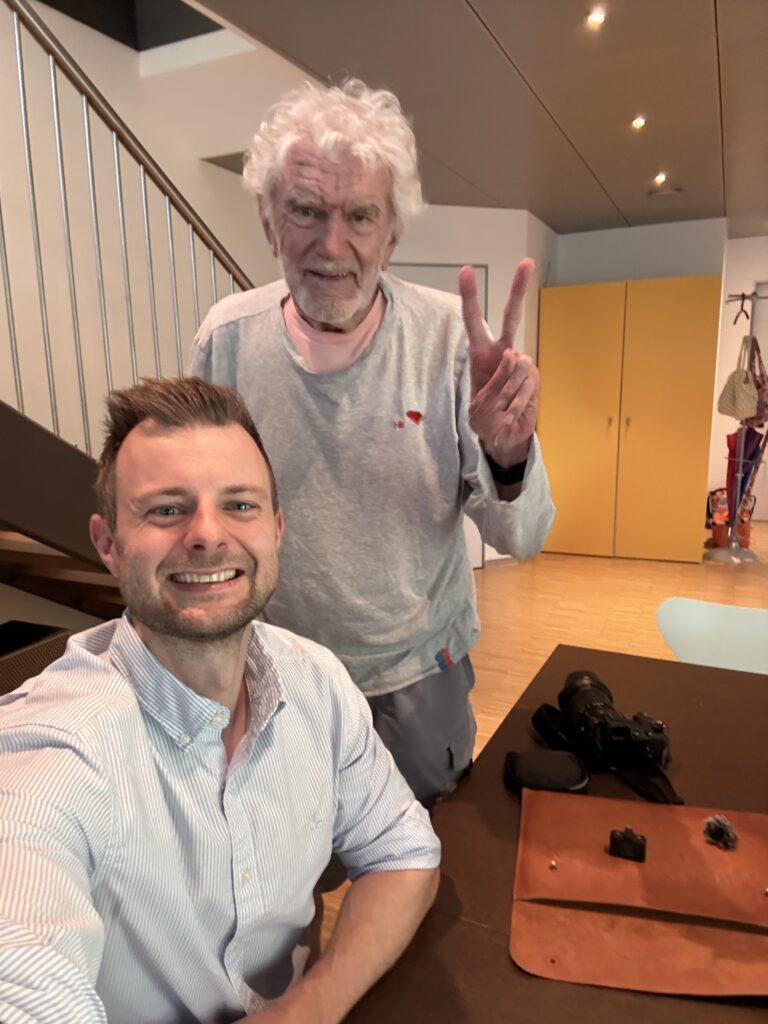
Interview: Marian D. Wensky
Mr Esslinger, when does a good product become a culturally relevant object?
Product design alone is not enough. What matters is not only how a product looks, but what it brings about.
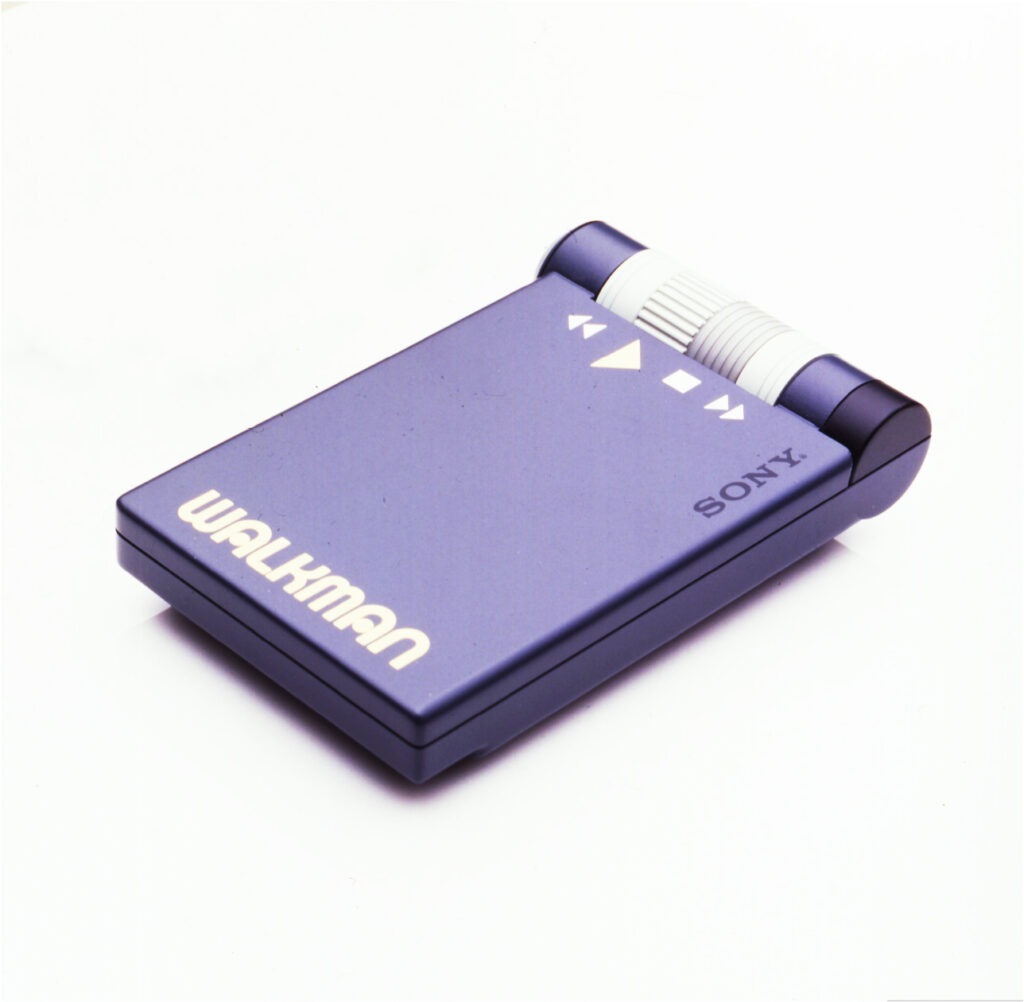
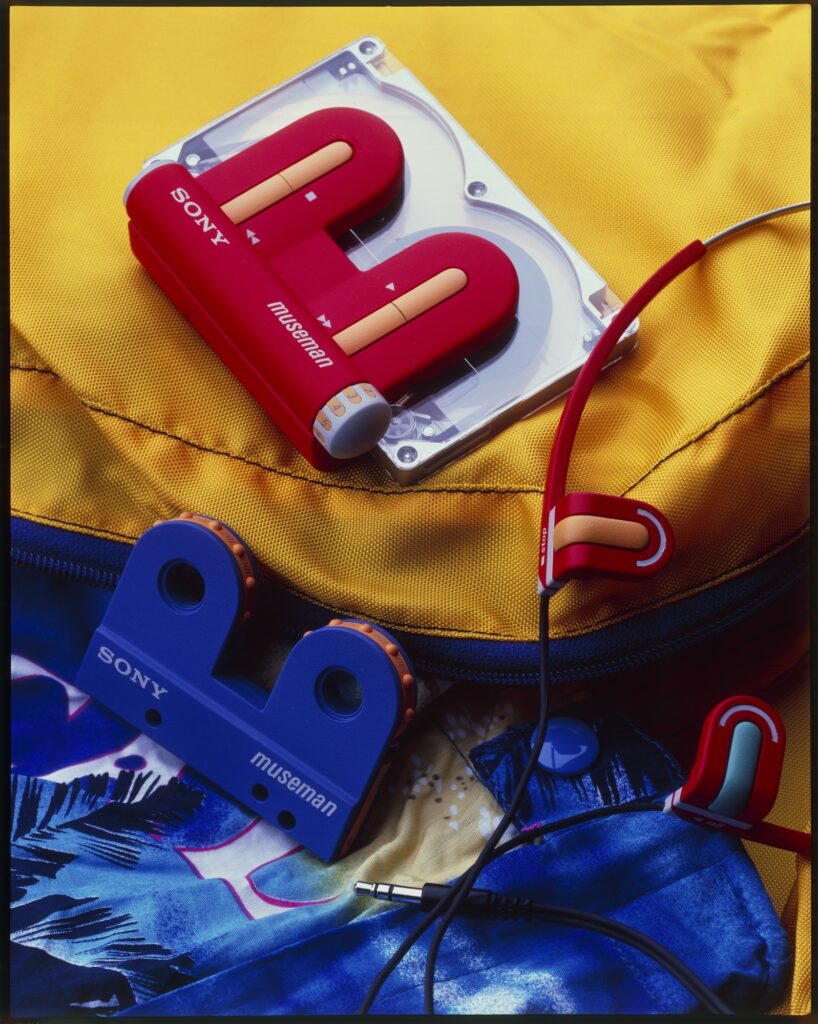
The Walkman made music mobile. The personal computer and the graphical user interface changed the way we deal with technology. Products like these create new habits and sometimes a new culture.
Hartmut Esslinger
A culturally relevant product changes the way people behave.
You coined the idea of form follows emotion. What does it mean today?
That something works is a given. But function alone does not answer the question of what relationship people develop with an object.
People need to be addressed emotionally. Within emotion there is also motion – movement. It is about dynamism and tension. This effect is visual, haptic and acoustic.
Emotion must not be a superficial layer. It has to arise from the quality of the product.
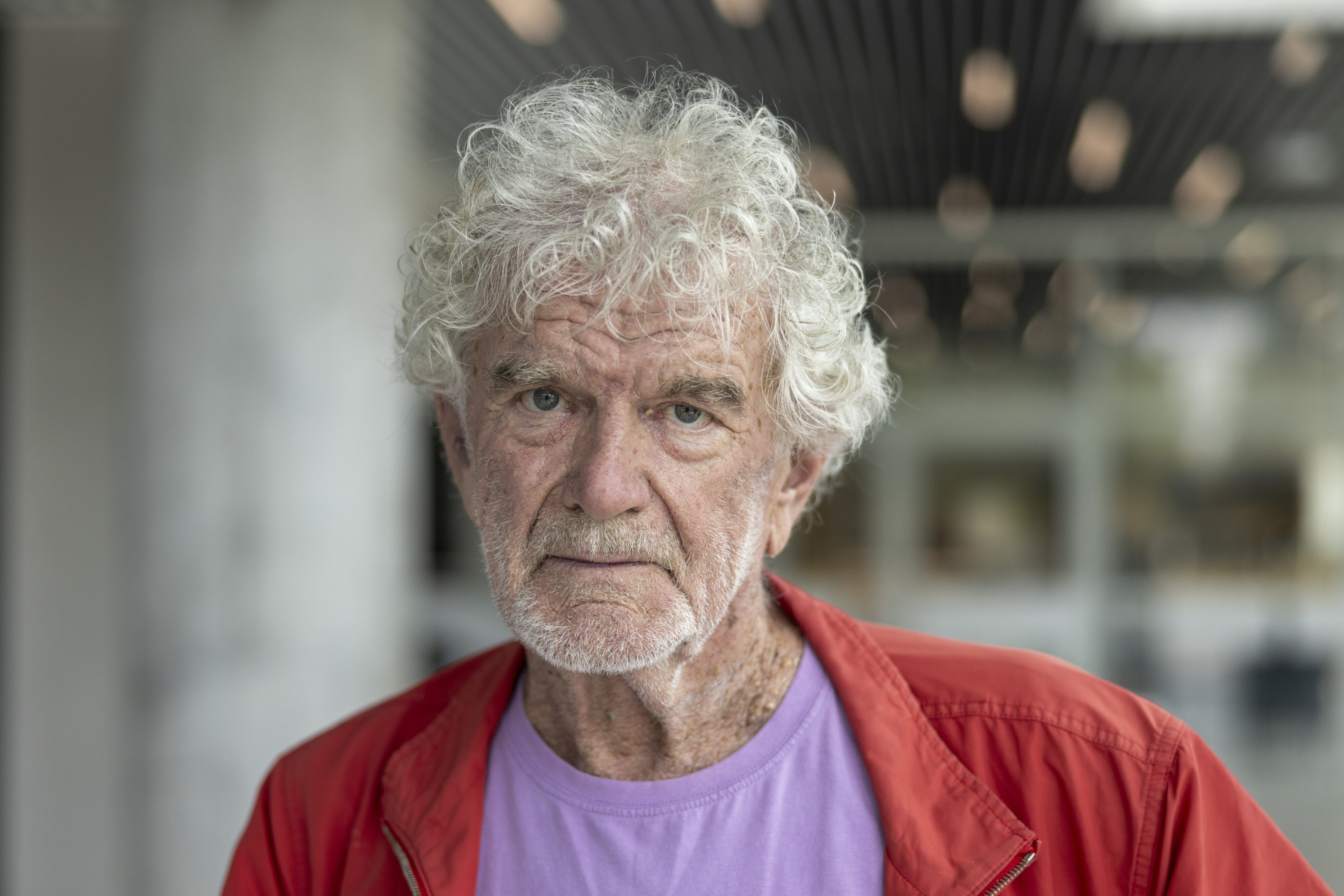
“Emotion must not be a superficial layer. It has to arise from the quality of the product.”
What does a company need to understand before it can commission good design?
If a company only brings in a designer at the end, it is usually too late. Design does not begin with a drawing or with styling. It begins with research and curiosity.
A company has to understand who it is working for. What functional, social and emotional needs do people have? How is a product used? What may it cost? These questions belong at the beginning.
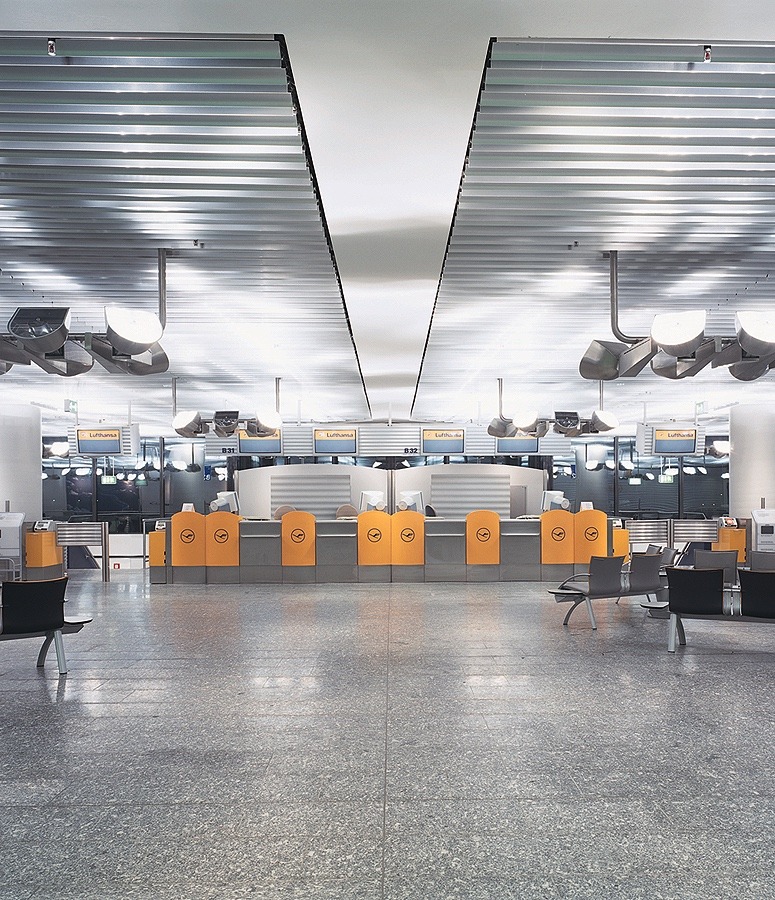
When developing dental systems, we therefore first studied the work of the dentists, the ergonomics and the needs of the patients. Hygiene, maintenance and production were part of it too.
Only from this understanding did a distinct design language emerge. Anyone who orders only a beautiful picture will, at best, get a beautiful picture. That is not how a good product comes about.
Your work with Apple showed that design can change a brand. What was decisive?
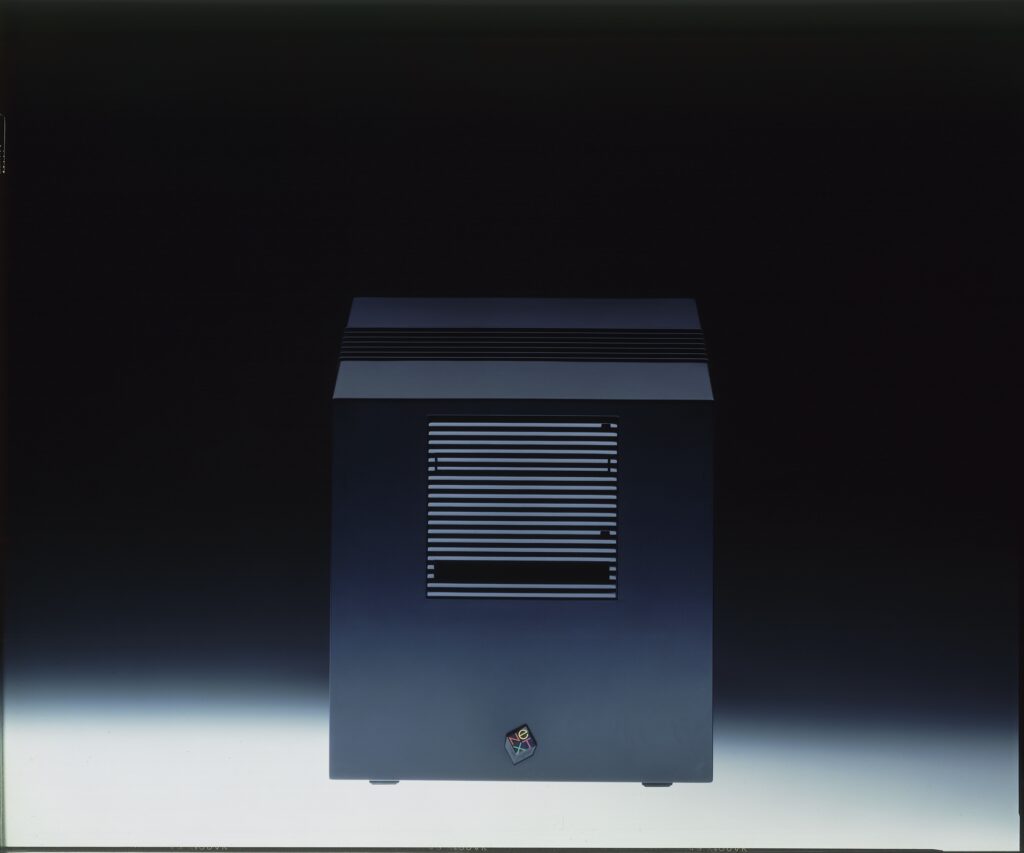
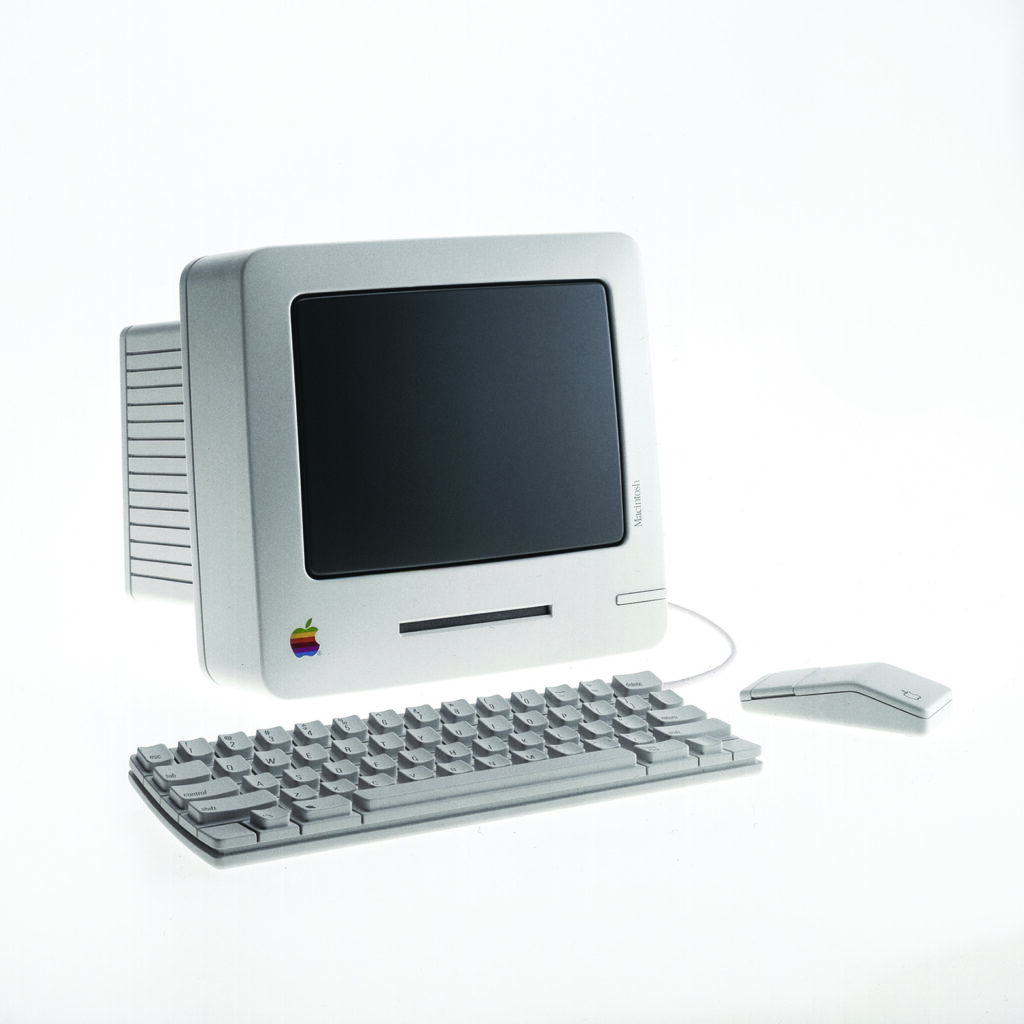
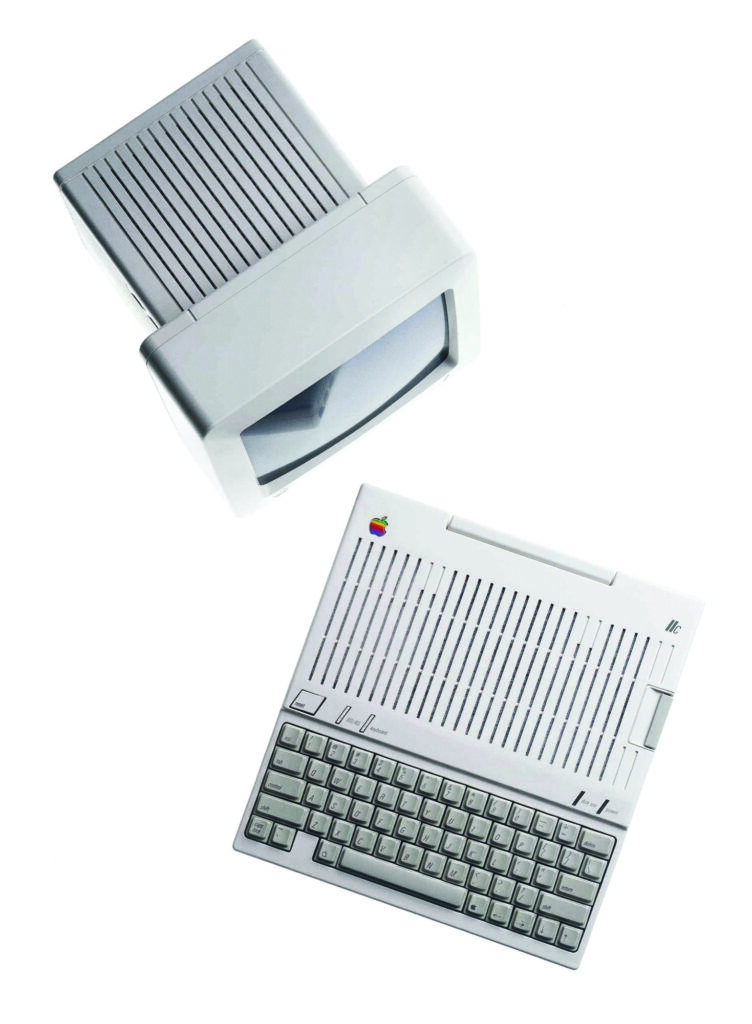
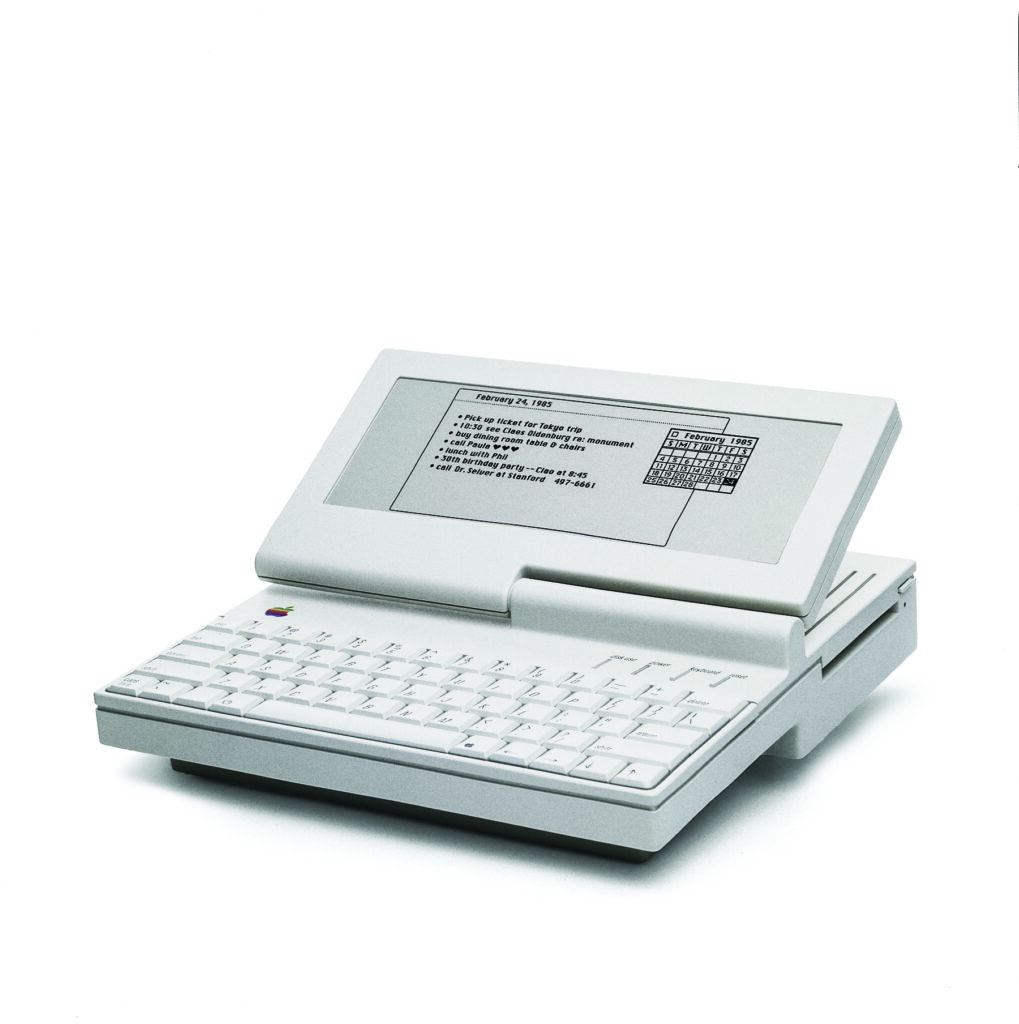
What was decisive was the attitude. The form was the result of that attitude. Apple already had a big idea but was implementing it inconsistently. So we did not just develop a housing, but a strategy for the entire product family. The Snow White design language gave Apple a recognisable identity.
Is there a difference for you between beauty and quality?
Of course. Beauty is subjective. Quality cannot be reduced to whether something corresponds to an ideal of beauty. I am interested in semantics and symbolism: what does an object say, and what does it mean for people?
Perfect symmetry can become boring. Good design often needs tension or a slight irritation. That is how identity emerges.
Reduction, too, needs a strong core. Without an understanding of proportion, material and effect, all that remains is boredom. Good reduction creates clarity and retains character.
“What was decisive was the attitude. The form was the result of that attitude.”
What can architecture and property marketing learn from industrial design?
From industrial design, architecture can adopt the consistent engagement with its users. How large does a room need to be? Where does the light come from? How do privacy, heat or new ways of working change the way we live?
With a product costing a thousand euros, it is often examined very closely how a person uses it. With an apartment costing several hundred thousand euros, this happens surprisingly often with less rigour.
Property marketing, too, should not merely list floor space, number of rooms and location. A house has an identity. What matters is how people can live in it, what atmosphere the rooms create and what story the building tells.
Can good design change the value of a property?
Yes, of course. A property gains in value when it better supports the lives of its residents and has an identity of its own.
I have experienced this with our own houses. High ceilings are important to me. As a child, I liked to spend time in a barn on our farm. This feeling of height and volume is deeply rooted.
Other people experience spaces differently. That is exactly why you have to ask: how do you live? How do you make your home?
“Yes, of course. A property gains in value when it better supports the lives of its residents and has an identity of its own.”
General rules do not suit every place either. In California, a south-facing position can become too hot. There, shade is valuable. Air, volume and a good indoor climate are forms of luxury.
Good planning and good marketing help to recognise and name spatial wishes. That is how a property with character finds the people whose lives it suits.
What advice do you give young designers, entrepreneurs and brands?
Learn history. The future needs a past.
Anyone who wants to design should understand how people live, perceive and decide. The first impression forms quickly. After that, this feeling has to be confirmed by real benefit.
You can win attention with superficial stimuli. A product only becomes lasting when the experience fulfils the initial promise.
History, philosophy and biographies create perspective. Added to this is empathy. Designers have to get to know people, observe them and listen.
Hartmut Esslinger
“Learn history. The future needs a past.”
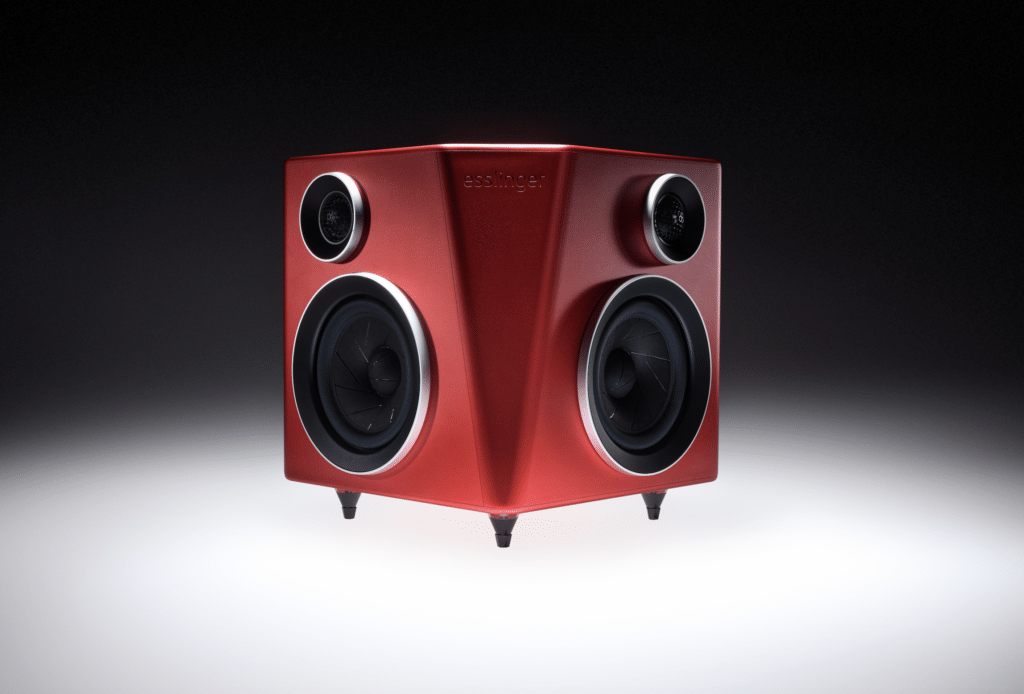
After many audio products, you have now developed the s/one. What did you want to do differently?
I am not interested in the hi-fi system as a technical ritual, but in the music. Classic high-end audio often consists of many components, cables and devices that dominate the living space.
In the s/one, we bring the technology together in a compact system. The system may be recognisable as a high-quality object, but it should not push itself in front of the music. Technology has to work and reach people without constantly demanding attention for itself. Mr Esslinger, thank you very much for the conversation.
Photos: Helmut Fricke, frog design, Marian D. Wensky

— Owner Hans Jürgen S.
“The presentation of the apartment was excellent, and we were looked after perfectly from start to finish!”
