Architecture | In the eye of the beholder
In the eye of the beholder
The art of property photography: architecture and design in focus.
The art of property photography: architecture and design in focus
In today’s digital world, the eye is often the first thing that draws potential buyers or tenants to a property. With the growing importance of online marketplaces and social media, the quality of property photography is decisive for the success of a sale or letting. With architecture and design in particular, visual elements play a decisive role in capturing the uniqueness and beauty of a property. Here we take a look at the art of property photography with a special focus on architecture and design.
The importance of property photography
Property photography is far more than simply photographing rooms. It is about capturing the unique features of a building and emphasising its appeal. High-quality photos can inspire potential buyers or tenants to engage further with a property and ultimately arrange a viewing. That is why it is important that property photos look professional and show the merits of a building to their best advantage.
Architecture in the leading role
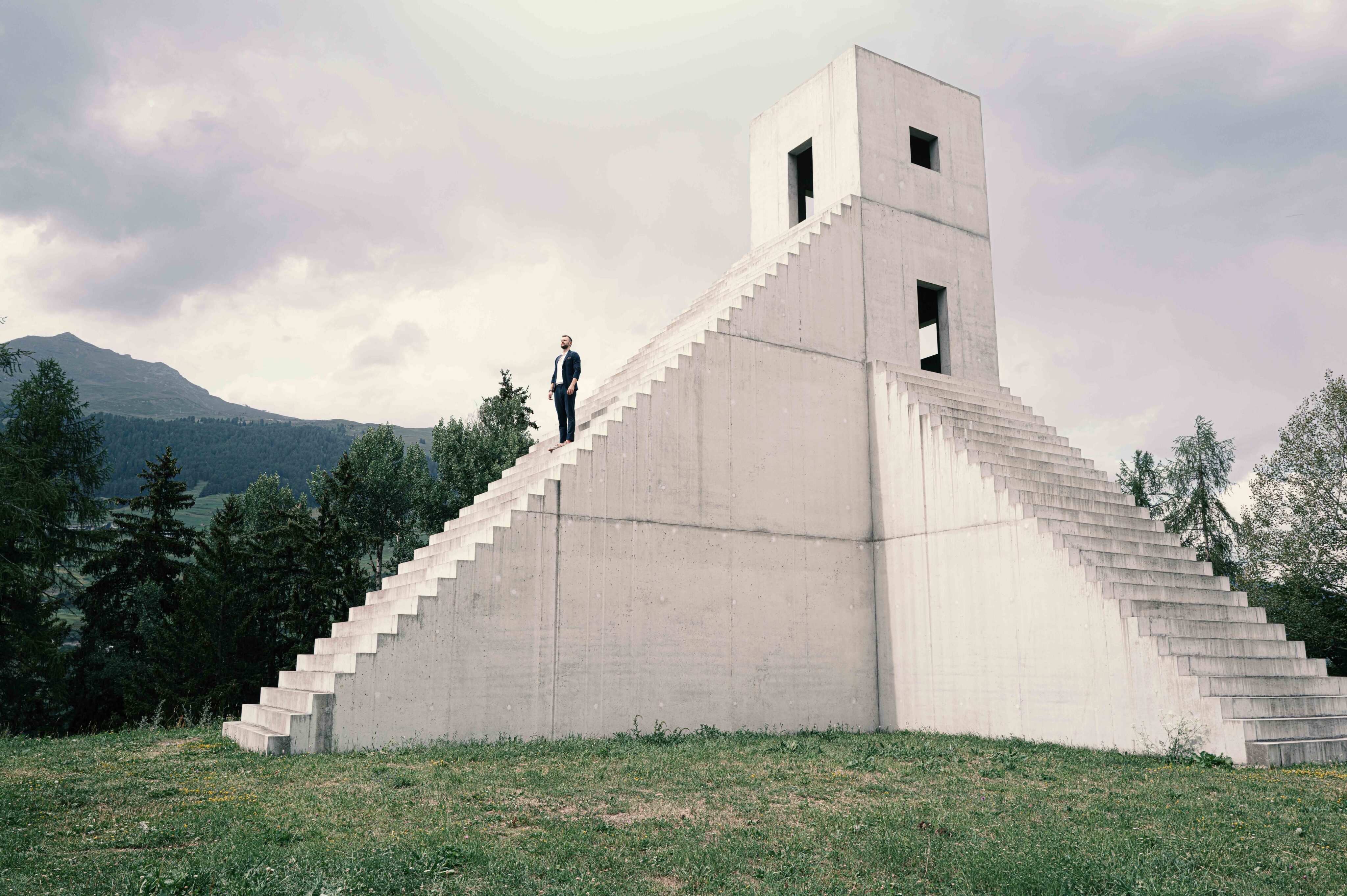
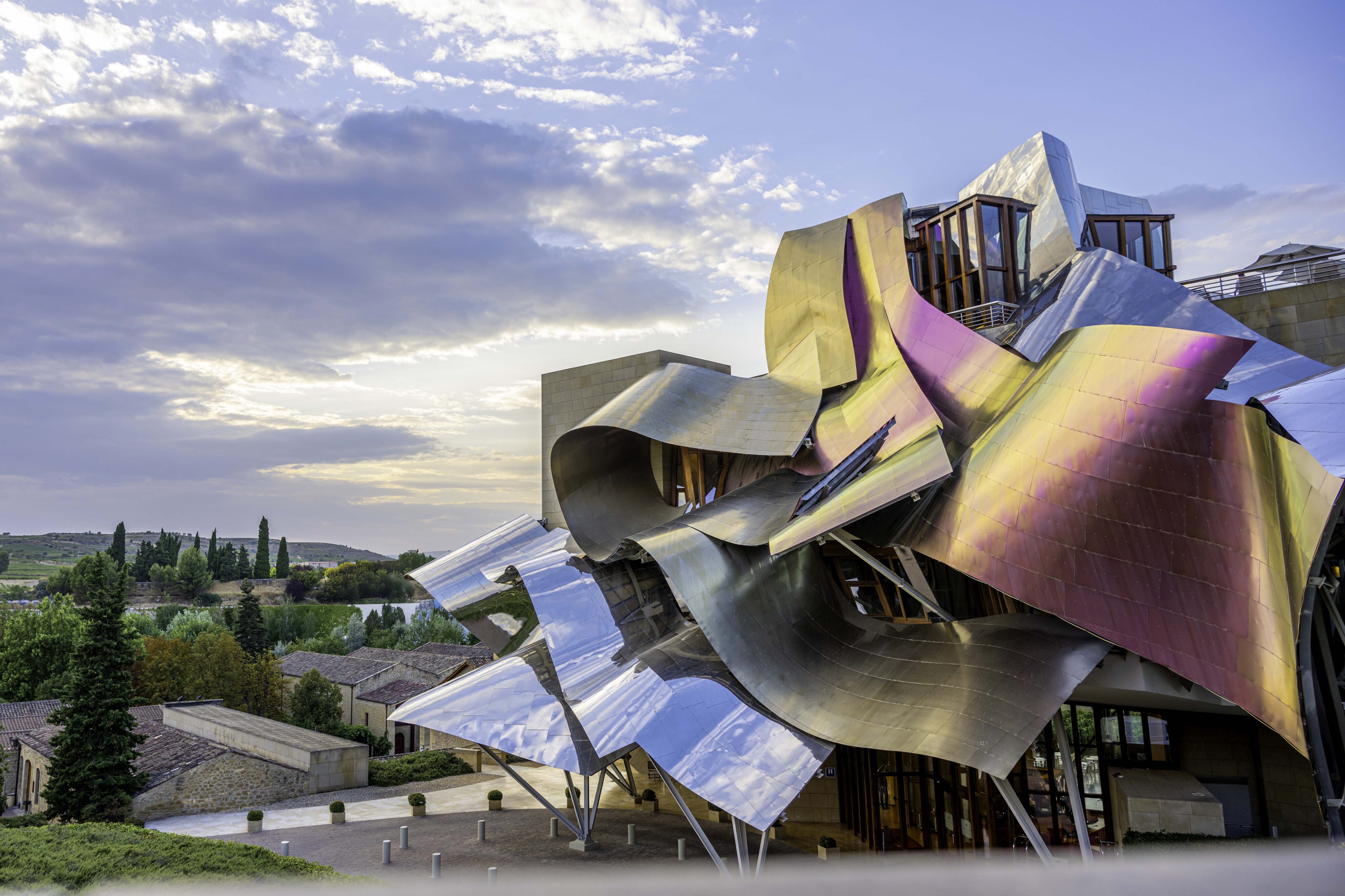
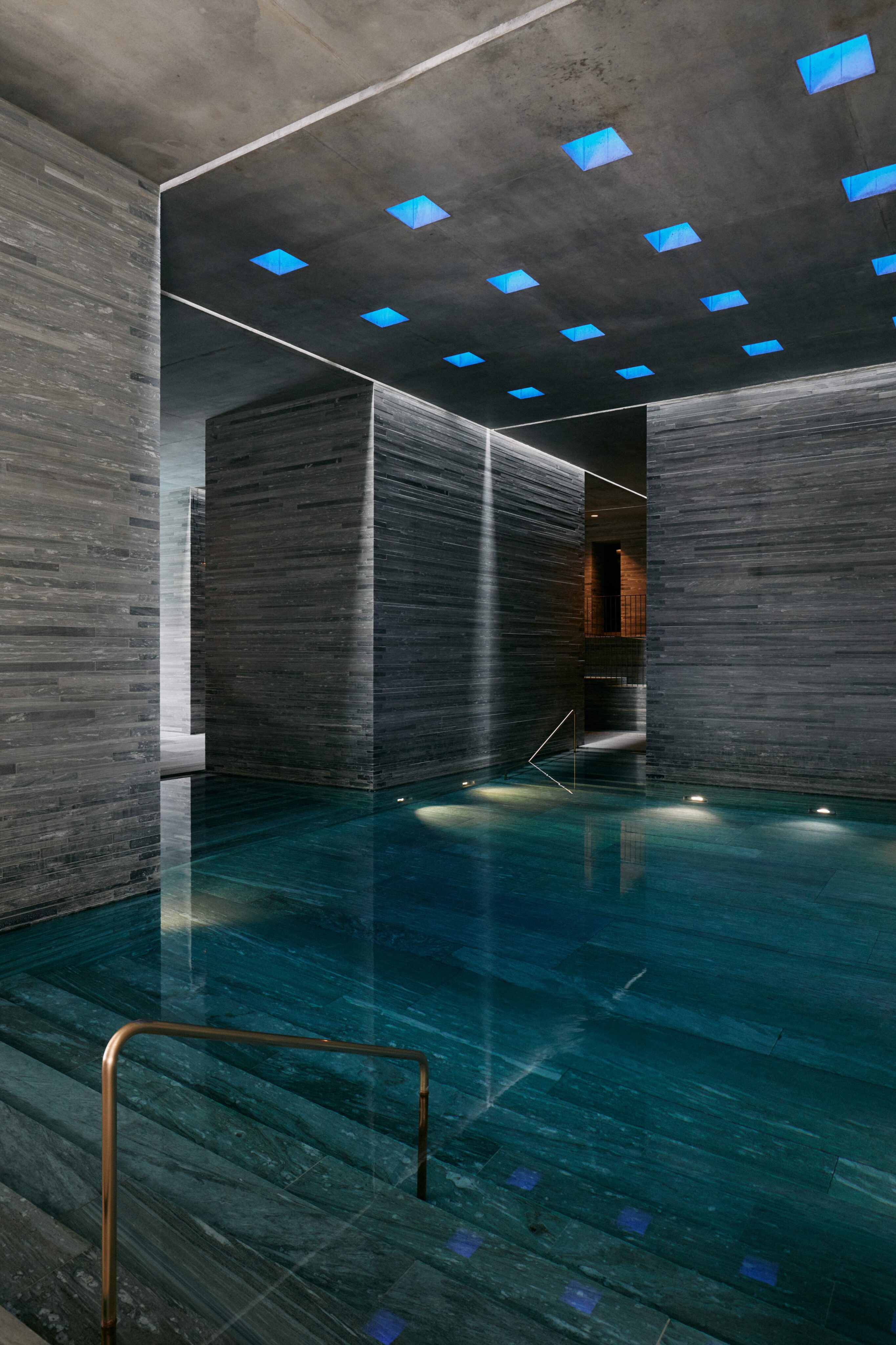
In property photography with a focus on architecture, it is crucial to highlight a building’s architectural details. This means capturing the lines, forms and structures in a way that emphasises the building’s aesthetics. An experienced photographer knows how to play with light and shadow to present the architecture at its best. In addition, the perspective should be chosen so as to convey the size and proportions of the building optimally.
Design as atmosphere
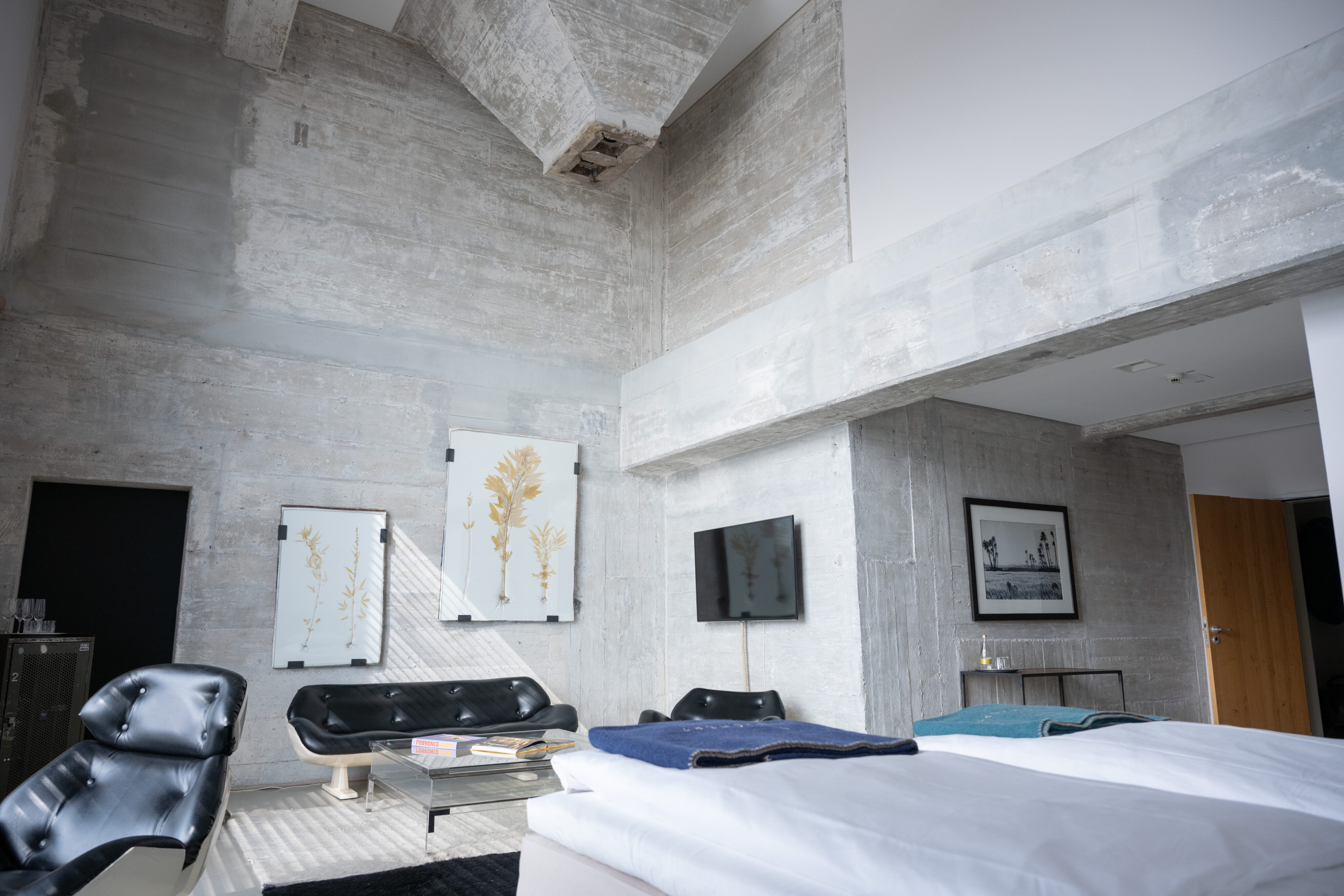
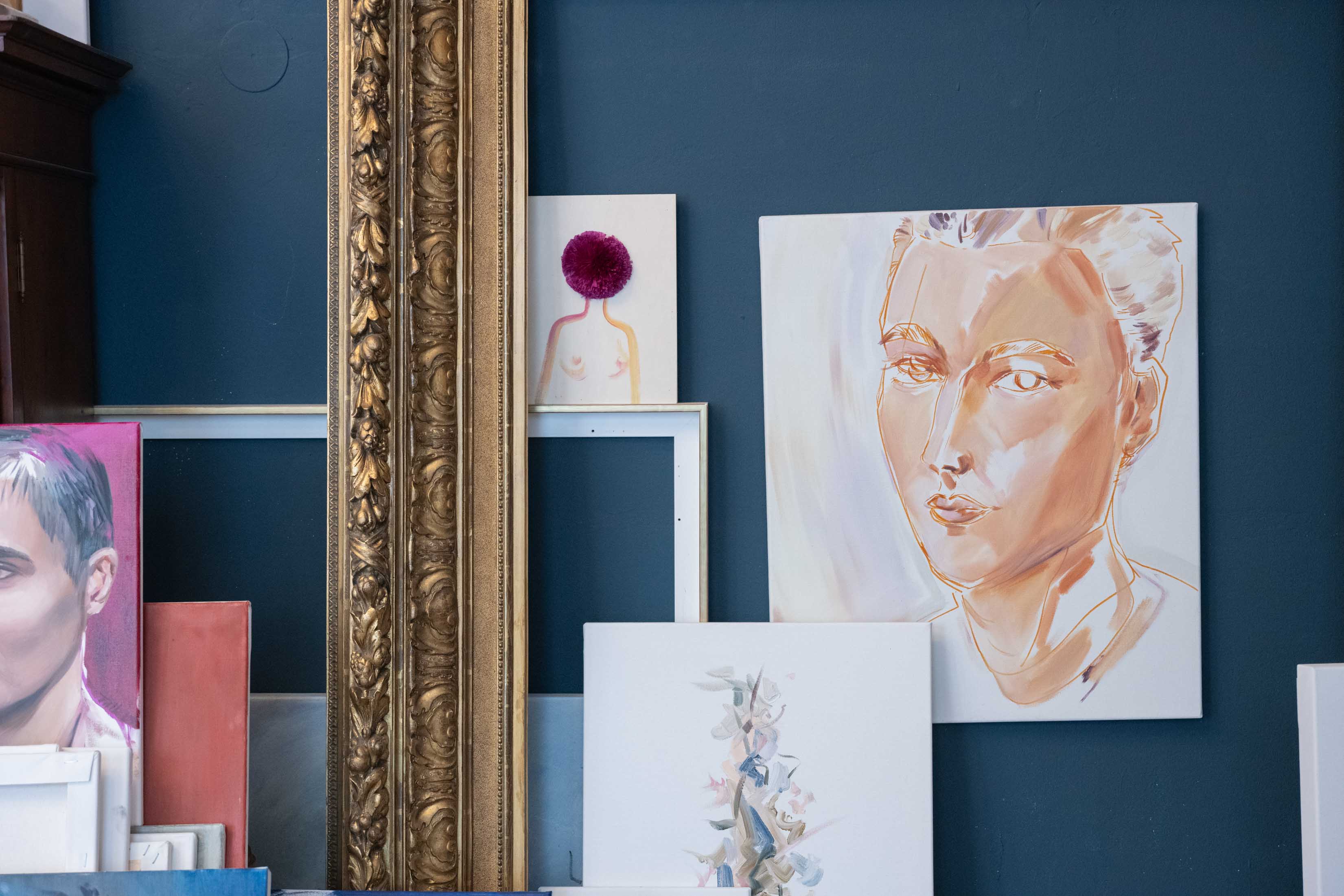
Alongside architecture, design also plays an important role in property photography. The design of a room can considerably influence its atmosphere and mood and should therefore be captured carefully. This means that both furniture and decorations should be deliberately staged to underline a room’s character. Skilful use of colours, textures and materials can help to emphasise a room’s personality and appeal to potential buyers or tenants.
Tips for successful property photos
– Use natural light: natural light can help to capture a room’s architecture and design optimally. Try to take photos during the day and open windows to let in as much light as possible.
– Pay attention to details: small details can make the difference. Make sure rooms are neat and tidy, and pay attention to details such as clean surfaces and well-kept plants.
– Experiment with perspectives: play with different perspectives to show a room’s dimensions to best effect. Try different angles to achieve the best results.
– Edit with care: appropriate editing can help to improve the quality of property photos. However, make sure the editing remains subtle and does not distort the reality of the room.
Conclusion
Property photography with a focus on architecture and design requires an understanding of a building’s unique features and the ability to capture them skilfully. By emphasising architectural details and showing a room’s design, property photos can help to appeal to potential buyers or tenants and inspire them to engage further with a property. With a little attention to detail and a creative approach, property photographers can help to present the beauty and uniqueness of a building in an impressive way.


— Owner Hans Jürgen S.
“The presentation of the apartment was excellent, and we were looked after perfectly from start to finish!”
